


When I was first diagnosed with breast cancer, I was thrown into a world of confusion, uncertainty, and, most of all, isolation. Navigating the healthcare system felt like an impossible task, one that was made even harder because I didn’t have the support I needed. I often felt like my voice wasn’t being heard, and I didn’t know where to turn for the information I needed to make decisions about my treatment and my future.
But in time, I realized something crucial: the power to advocate for myself was the most important tool I had. By learning how to speak up, ask the right questions, and demand the care I deserved, I was able to regain control of my journey. Self-advocacy was critical for my own health, but when I opened my heart and focused on helping others, something magical happened—it made my burdens seem lighter, and it gave me a powerful sense of purpose and a vehicle to make life better for others.
In today’s world, people think of health equity as Black or White—literally—but equity goes way beyond race, ethnic group, or gender. Equity for me is directly linked to health justice for every human, and it should be a right that each of us has that is not retractable, optional, or arbitrary. Not only is equity a matter of health justice, but health equity is good science that benefits all.
At Tigerlily Foundation, we are here to help every patient tap into their personal power and have access to the healthcare they need, when they need it. I will be 20 years cancer free next year, and I know for a fact that I would not be alive today if it were not for access to timely care, follow-ups, healthcare providers who gave me personalized support, and advocacy for breast cancer screening reform—which I was a part of—along with other advocacy groups.
Over the past 20 years, there were many times when I was dismissed by doctors or told that I was being hypersensitive, but I had to be. As a woman diagnosed with triple-negative breast cancer at age 32—and with no targeted treatment at the time—I didn’t have the luxury of being passive. Today, almost 20 years later, Black women are still facing some of the same challenges I faced before my diagnosis—dismissal, denial, and delays—resulting in being diagnosed at later stages and untimely death. Black women younger than 40 years die at a 40% higher rate than their White counterparts and have more aggressive cancer subtypes, like triple-negative breast cancer. What I faced and what many of these women face is health equity at its worst, and with cuts in NIH funding, FDA diversity guidelines being pulled, and years of research at risk, patients of all colors who live with advanced disease are one treatment or trial away from death. This is where health injustice affects us all.
We can be our own advocates and empower our loved ones to speak up for themselves….You have to get in the driver's seat and take the wheel of your own health journey.
At Tigerlily, we believe that when you take charge of your health, when you speak up, stand firm, and advocate for yourself, you can break down the barriers that prevent equitable care. While many people in the United States are reeling from executive orders that impact our jobs and our life’s work in health equity, patient access, and efforts to remove barriers to treatment, we can do our part individually and collectively. We can be our own best advocates and empower our friends, families, and loved ones to speak up for themselves within the healthcare system. You have to get in the driver’s seat and take the wheel of your own health journey.
Too often, we as patients let others dictate the course of our treatment. We are told what to do, what to take, and when to show up. But the truth is, you know your body better than anyone else. Advocacy entails knowing your family health history, knowing your own body’s genetics/genomics, understanding and being a part of your treatment decision-making, knowing all the options, asking tough questions, and being educated enough to select the healthcare team that is best for you, a team that respects and honors your personal needs as well as ensures that you feel safe, heard, and respected, and that communicates with you in a way that’s culturally appropriate. Advocacy means ensuring that you get the best care regardless of your skin color, the language you speak, your income level, or your zip code. When it comes to catching a disease before it becomes chronic or life-threatening, time is of the essence.
With the safeguards around racism in healthcare being pulled away by the current administration, one of the challenges we will face is that, unfortunately, the burden to advocate when vulnerable, scared, and in a place of distress and trauma will be on the patient. This is where Tigerlily comes in. We have spent almost 20 years training patients to become advocates for themselves and giving them the tools to take control of their healthcare.
Through our educational resources and toolkits (Barrier Toolkits), we provide information on treatment options, side effects, and crucial questions to ask your doctors. Our webinars and events empower patients and teach you how to communicate effectively with your care team, helping you articulate your concerns and preferences clearly. When you are informed and empowered, you’re not just a patient, you’re a force to be reckoned with.
One of the most powerful ways we’re doing this is through the ANGEL (Advocate Now to Grow, Empower and Lead) Advocacy Program. The ANGELs are women of color who have been impacted by breast cancer. Through this program, we train them to advocate not just for their own health but for their communities as well. ANGELs review research protocols, participate in outreach, engage in patient advocacy, and work toward policy changes that make healthcare more inclusive and accessible. They are truly the changemakers we need to build a better ecosystem of health equity.
I know firsthand how overwhelming it can be to navigate the healthcare system, especially when you’re facing a life-threatening diagnosis. But here’s the truth: You don’t have to do it alone. At Tigerlily, we offer patient navigation services to guide you through every step of your journey. Our navigators help you understand your rights, connect you with the resources you need, and ensure that you are supported along the way.
We also connect you with ANGEL Advocates—patient mentors who have walked the same path, people who understand exactly what you’re going through and can offer support, encouragement, and advice. This kind of peer support is so powerful because it helps you feel seen, heard, and understood. It’s proof that you are not alone in this fight.
Another challenge we face in healthcare is the under-representation of communities of color in clinical research. This lack of diversity leads to treatment options that may not be effective for everyone. As patients, we must advocate for more inclusive research so that all communities, especially those who have been historically underserved, have access to treatments that work for them.
Tonya Hicks, a fierce advocate and breast cancer survivor, once said, “Being an advocate for clinical trials sets the tone to let women who look like me know the importance of finding better treatment options.” Tonya’s words are a powerful reminder that we cannot let our voices go unheard. By advocating for inclusion in clinical research, we ensure that the treatments being developed are equitable and effective for all.
At the end of the day, advocacy is about reclaiming your voice. When we choose advocacy, we’re not just advocating for our own healing, we’re pushing back against a healthcare system that has long been inequitable. We’re choosing to break down barriers, demand more inclusive research, and ensure that every voice is heard, especially those that have historically been overlooked.
As you navigate your healthcare journey, remember you have the power to drive change. You are not just a patient; you are an advocate. You are a force for transformation.
As you navigate your healthcare journey, remember you have the power to drive change. You are not just a patient; you are an advocate. You are a force for transformation. Together, we can create a future where every patient has the support, tools, and empowerment to thrive.
Let’s continue to speak up, stand firm, and fight for a healthcare system that works for everyone. Because together, we can reshape this world and this system into one where every voice is heard, every person is valued, and every life matters.
I never imagined that as a young single mother 32 years old, I could make the impact that I have today, but it began with one act at a time and a promise to make health equitable for all. I know you have this spark within you, too. Let’s do this.

About the Author
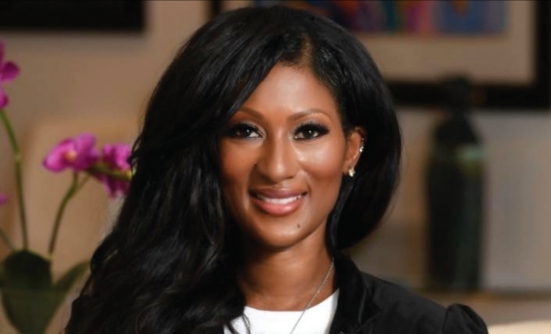
Maimah Karmo is the founder of Tigerlily Foundation, a breast cancer survivor, and an advisory board member of Conquer.