



All Articles

Take time to acknowledge all the people who have been supporting you along your journey—there may be more than you think. Read More ›

From surgery to radiation: what you need to know about breast cancer treatments. Read More ›
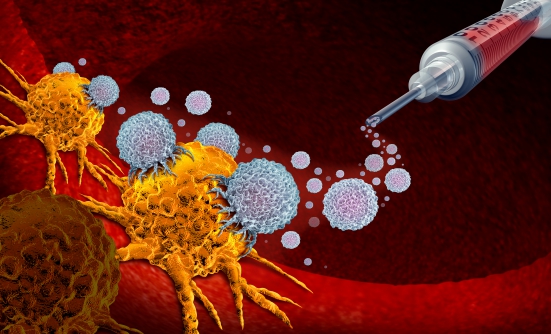
Immunotherapy is a welcome new option in the treatment of triple-negative disease. Here’s how it works. Read More ›
A guide to understanding the genetic component of a cancer diagnosis. Read More ›

Support the one who is supporting you with these expert recommendations. Read More ›
A cancer diagnosis will probably cause you to pause and reflect on your life. Here are 5 questions to ask yourself. Read More ›

Pets and pet therapy can bring joy to patients with cancer during a physically and emotionally draining time, but it’s important to know the risks involved. Read More ›
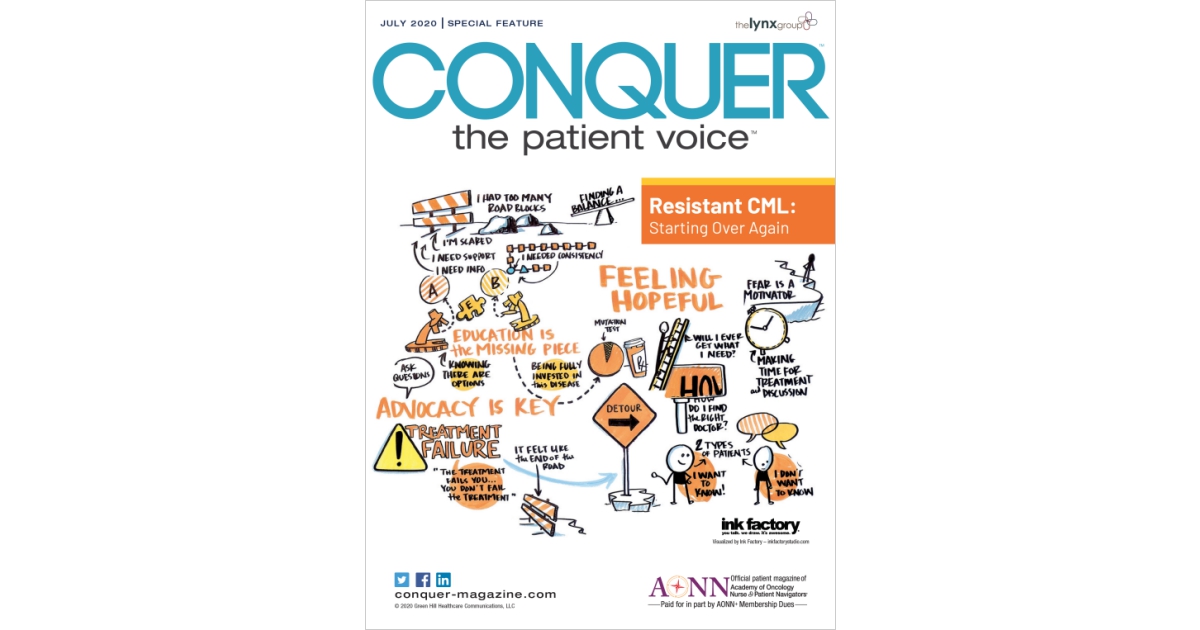
Over the past 20 years, advances in the treatment of chronic myeloid leukemia (CML) have made this type of cancer highly treatable, such that most patients can live long and productive lives. Today, people diagnosed with CML who are treated with targeted medications have similar life expectancies as people without CML. Read More ›

Maintenance Treatment with Bavencio a New Standard of Care for Patients with Advanced Bladder Cancer
By Phoebe Starr
Interim analysis of the phase 3 JAVELIN Bladder 100 trial showed that maintenance therapy with the PD-L1 inhibitor Bavencio (avelumab) plus best supportive care significantly prolonged survival compared with the current best supportive care alone in patients with advanced urothelial carcinoma, the most common type of bladder cancer, that did not progress (get worse) after treatment with first-line platinum-based chemotherapy. Read More ›

By Chase Doyle
This article reviews the promising findings presented at the 2020 ASCO meeting showing that treatment with the immunotherapy Libtayo may reduce pain and improve survival without disease progression in patients with advanced cutaneous squamous-cell carcinoma, or skin cancer. Read More ›