

CAR T-cell therapy is an innovative approach to treating cancer using T cells (a workhorse of the immune system) from the patient’s own body. Although the science is complex, the concept can be presented in relatively simple terms: T cells are harvested from the patient’s blood, engineered to recognize cancer cells, then given back to the patient through an infusion. The result is a living drug that has been approved in many blood cancers. I had the pleasure of speaking with Dr. Saad Usmani, Chief of Myeloma Service at Memorial Sloan Kettering Cancer Center. What follows is our thoughtful exchange.
Please tell us about CAR T-cell therapy, what is it, and how does it work?
CAR T-cell therapy is a form of immunotherapy. There are many types of treatments under the large umbrella of immunotherapy, but all immunotherapies use strategies to modify the immune system in some way to allow regular immune mechanisms to recognize and kill cancer cells.
CAR T-cell therapy uses the patient’s own T cells, which are an important part of our immune system that help the body to recognize and act against foreign cells.
To develop a CAR T cell, we take the patient’s T cells and “teach” them how to recognize a protein on the surface of the cancer cell. When the T cell is exposed to that protein or surface marker, it becomes “activated” and will do its job of killing that cancer cell.
How does CAR T-cell therapy differ from other immunotherapies?
There are many types of treatments that fall within the category of immunotherapy. For example, we have antibody-based treatments where an antibody helps the immune system to recognize and destroy the cancer cell. Another example is immune checkpoint inhibitors, which effectively take the brakes off the immune system when there are high levels of a protein called PD-L1 in the cancer cells.
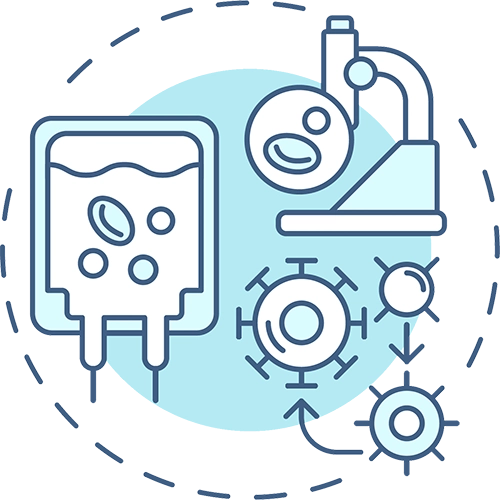
With CAR T-cell therapy, we harvest T cells from a patient through peripheral blood draw and then engineer those T cells to do their job more efficiently.
With CAR T-cell therapy, we harvest T cells from a patient through peripheral blood draw and then engineer those T cells to do their job more efficiently. Once the cells have been engineered, they are administered back to the patient as an infusion.
Why is CAR T-cell therapy described as a “living drug”?
CAR T cells are the patient’s own T-cells that have been engineered; that’s the “living” part. Once these engineered T cells recognize the protein that they’re programmed to go after, they become activated and they can expand or proliferate, which also implies that the cells are alive and able to replicate.
Is CAR T-cell therapy a “one and done” treatment?
“One and done” refers to the fact that once you receive a CAR T-cell infusion and you’ve recovered, we don’t prescribe a maintenance treatment, so patients may be without drug for extended periods of time.
What are the typical side effects of CAR T-cell therapy?
Some patients may experience cytokine release syndrome, neurologic side effects, or infections, but these conditions can be managed through supportive care.
Cytokine release syndrome is a condition where activated T cells secrete chemicals that help them in fighting the cancer. When this happens, a patient may have fever or low blood pressure. It almost feels like an infection. We manage those side effects by providing supportive care, and for the majority of patients, once they are recovered, this condition typically doesn’t recur.
Neurologic side effects or confusion is another possible side effect. This would tend to happen early in the treatment course and can be managed through supportive care.
Infections are a possibility, too. The healthcare team will be watching for any signs of infection and may proactively give patients preventive treatments, such as the shingles vaccines, or a PJP pneumonia treatment.
Some patients may experience a slow recovery of their blood counts, and so they might receive growth factor shots to support the blood count recovery. But within the first month or two after treatment, blood counts are typically recovered for a majority of patients.
What cancers are currently being treated with CAR T-cell therapies?
The products currently available are approved to treat B-cell lymphomas, leukemias, and multiple myeloma.
I should also mention, CAR T-cell therapies are being evaluated in clinical trials for many other tumor types, and I believe we will see CAR T-cell therapy used in several solid tumor types in the coming years.
What advice do you have for a newly diagnosed patient?
There is a lot of measured hope today, and the future is promising. This is the era of immune therapies, and we’re figuring out best strategies of incorporating them into the schema of cancer treatment. For many cancers, we are more comfortable talking about curability now than before. Personally, I try to provide my patients with a forward-looking perspective on a diagnosis. Cancer can be part of your journey, but it does not define your entire journey.

About the Interviewee
Dr. Saad Usmani is Chief of Myeloma Service and Member, Myeloma, Cellular Therapy and Adult BMT Services at Memorial Sloan Kettering Cancer Center in New York, NY. He is Professor, Weill Medical College at Cornell University.