



A crackling sound in the ear of a loving grandfather, a young college woman brushing off troubling symptoms, and a rising football star about to achieve his lifelong dream—all blindsided by rare diseases that either masqueraded as cancer or made them vulnerable to it. These are not just stories; they are realities for people whose lives were upended by diseases so rare that diagnosis itself can feel like an impossible journey.
Rare diseases, especially rare cancers, often come with an invisible burden—years of searching for answers, countless doctors who dismiss or misdiagnose their symptoms, and the emotional toll of navigating a healthcare system unequipped for their needs. For these patients, the road to an accurate diagnosis and proper care is not just long; it’s isolating, confusing, and at times, dehumanizing.
The Weight of Rare Cancers
The National Cancer Institute defines a rare cancer as one that affects fewer than 40,000 people in the United States each year. Out of roughly 200 known cancer types, only about a dozen are considered common. Some rare cancers may touch only a handful of lives annually. Yet, collectively, these cancers account for over a quarter of all diagnoses, affecting an estimated 500,000 Americans annually by 2024. These numbers tell a story of urgency—a story amplified by the establishment of the Rare Cancers Research Program in 2020, with $17.5 million earmarked in 2024, and the creation of Rare Cancer Day observed annually on September 30.
But behind the numbers are people—people who face life-changing diagnoses without the tools, guidance, or support systems they so desperately need. Rare cancers reveal the cracks in our healthcare system, where navigation services often fail to meet the complex demands of these patients and their families.
Stories of Struggle and Resilience
A Grandfather’s Missed Opportunities
For years, a 60-year-old grandfather heard a faint crackling in his ear. It seemed trivial—until an ENT specialist discovered a small tumor in his brainstem. Without a navigator to guide him, he was told to “watch and wait” by a local neurologist. Years passed. Follow-up was lost. By the time another neurologist intervened, the tumor had grown, and an open brain biopsy was urgently needed.
His daughter, Jamie—a former cancer researcher and longtime medical affairs professional—became his lifeline. She dove into the overwhelming maze of medical guidelines and worked tirelessly to connect him with top neurosurgeons and oncologists. Care coordination between centers failed spectacularly, leaving her to juggle appointments, decipher medical jargon and guidelines, and advocate for her father.
“As a person who has worked in the healthcare industry for decades, there were so many shocking moments for me,” Jamie said. “No one shared the biopsy results with us before starting treatment. Two cancer centers couldn’t coordinate his care, and critical information about his medications was wrong. And when he lost mobility and cognitive abilities, there was no compassion—just a telehealth system he could no longer navigate.”
The emotional toll was staggering. “I don’t know how anyone without a healthcare background could survive this,” she admitted. “The only relief came when we transitioned him to hospice care—for the first time in his cancer journey, he received compassionate, coordinated care.”
A College Woman’s Fight for Control
At 18, Dakota, a young college woman, dismissed her symptoms—changes in bathroom routines and fatigue—as part of college life. At 22, she was blindsided by a colorectal cancer diagnosis. The culprit was familial adenomatous polyposis (FAP), a rare hereditary condition that predisposes her to numerous cancers.
Her treatment involved the surgical removal of most of her colon and rectum, which later resulted in her developing a desmoid tumor. It wasn’t until this second tumor that she was assigned an oncologist. No one has ever offered her a navigator, despite her likelihood of developing future cancers.
She learned about navigation services only through her advocacy work—not from her care team. Little information was available when she asked her medical team about navigators.
She learned about navigation services only through her advocacy work—not from her care team. Little information was available when she asked her medical team about navigators. “I’ve had to fight for myself—educating doctors, advocating for scans, and planning my own care. It’s hard to imagine where I’d be if I hadn’t, but it’s a lot to take on all while contending with a fresh diagnosis and physical ailments. Navigators need to be part of care from the beginning.”
A Football Player’s Hope Against the Odds
Rob, a 22-year-old college football player, was living his dream—until an MRI revealed a grade III anaplastic astrocytoma, an incurable, rare and aggressive brain cancer. His team offered a clinical trial, but his mother declined, haunted by her parents’ failed experiences with trials. Instead, they pinned their hopes on an off-label drug. Fourteen months of grueling treatments later, he was cancer free and has shown no evidence of disease for 14 years.
But the cracks in his care left scars beyond the cancer. “I was told how care would work on the day I was diagnosed—the worst time to process anything. I wish I had a navigator to guide me, check in, and help with a survivorship plan,” he said. Years later, he was diagnosed with post-traumatic stress disorder, a stark reminder of how mental health is overlooked in cancer care. “A simple suggestion to schedule MRIs and doctor visits on the same day would have saved me so much stress. Not having to wait days for my test results was one of the simplest, yet dramatic, shifts in my care. Why did I have to figure that out myself?”
Rare Cancer Resources
CancerCare
https://cancercare.org/
Cancer Support Community
www.cancersupportcommunity.org/
EveryLife Foundation for Rare Diseases
https://everylifefoundation.org/
Genetic and Rare Diseases Information
Center (GARD)
https://rarediseases.info.nih.gov/
National Organization for Rare Diseases
(NORD)
https://rarediseases.org/
Patient Empowerment Network
https://powerfulpatients.org/
Stupid Cancer
https://stupidcancer.org/
Undiagnosed Disease Network Foundation
https://udnf.org/
Uplifting Athletes
www.upliftingathletes.org/
Young Adult Cancer Connection
https://yacancerconnection.org/
Advocacy: A Lifeline for Rare Cancer Patients
Patient advocacy organizations can be the bridge patients and navigators need. Tracy Rode, chief executive officer of the Patient Empowerment Network and a cancer survivor, says, “Groups like NORD [National Organization for Rare Disorders] and GARD [Genetic and Rare Diseases Information Center], as well as local resources like dietitians, mental health professionals, and financial counselors, can change a patient’s perception of control and empowerment in their cancer journey.”
The need for financial counseling is urgent. A recent CancerCare survey revealed that 88% of patients experience financial distress; 64% of those face treatment delays, and 24% say their disease worsened as a result. These numbers underscore the critical role of advocacy and navigation services in ensuring patients receive timely and effective care.
“Navigators can build referral networks and provide proactive, coordinated support for patients with rare cancers,” Ms Rode said. “For patients, it may feel like you’re the only one—but connecting with the broader cancer community can make all the difference. No one experience is completely the same—or completely different.”
A Call to Action
Rare cancers demand more than just awareness—they demand action. People impacted by rare cancers often face a daunting reality: they must interact with significantly more providers than those with more common cancers. Navigating between specialists, primary care physicians, and other healthcare professionals to obtain an accurate diagnosis, identify the most appropriate treatment, and develop a survivorship plan can be overwhelming. This fragmented care frequently leads to delays in diagnosis and treatment, further compounding the challenges these patients face.
Navigators play a critical role… ensuring that patients and their caregivers receive timely and accurate information, emotional and mental health support, and access to efficient care.
Navigators play a critical role in guiding patients through this complex healthcare landscape, ensuring that both patients and their caregivers receive timely and accurate information, emotional and mental health support, and access to efficient care. By partnering with patient advocacy organizations, navigators have a unique opportunity to strengthen the healthcare system for people affected by rare cancers. Together, they can leverage their understanding of patient needs to streamline care pathways, proactively provide essential resources, and amplify patient voices. These partnerships can create a more cohesive, patient-minded navigation system that offers comprehensive guidance, compassion, and support, helping to ease the burden of an already challenging journey.
For every person with a rare cancer and their caregivers, the journey isn’t just about survival—it’s about dignity, compassion, empowerment, and the hope that no one has to walk this path alone.
About the Contributors
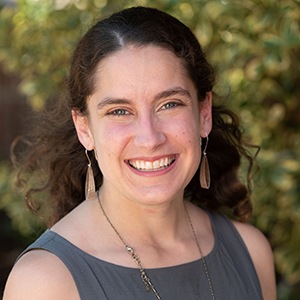
Dakota received her BA in biology from Bryn Mawr College in May 2011 and a familial adenomatous polyposis (FAP) diagnosis 2 months later. Between her FAP and desmoid tumor diagnoses, statistically speaking, she’s 4 in a million. Patient advocacy fills the void left by her cancerous colon and her job title. As patient advocacy associate director at BioCryst Pharmaceuticals, she ensures that the voices of patients with rare diseases and the nonprofits that serve them are heard and supported. She’s the cofounder of Young Adult Cancer Connection, which hosts Cancervention, Philadelphia’s first young adult cancer conference, and the creator of FAPulousTV, the first YouTube channel dedicated to discussing FAP.
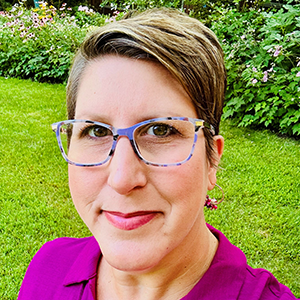
Jamie completed her PhD in molecular and cellular pathobiology from Wake Forest University School of Medicine in 2005, followed by a fellowship in medical oncology at Fox Chase Cancer Center. For the past 2 decades, Jamie has enjoyed a career in medical affairs with a focus on supporting educational initiatives for patients and healthcare providers in the areas of oncology and rare disease. She currently serves as president, medical affairs, for OPEN Health and has been a member of the Medical Affairs Professional Society Patient Centricity Focus Area Working Group for the past 6 years. She is passionate about driving critical, positive change in the way that healthcare providers and systems engage with patients (and their families) who experience rare cancer and other devastating diagnoses, bringing her direct experience as a caregiver to strategic industry discussions and thought leadership platforms.
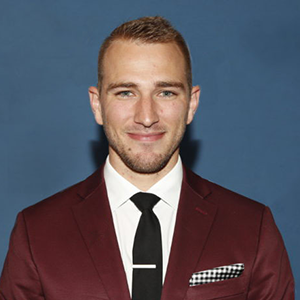
Rob is a former All-American punter at Syracuse and has lived the rare disease journey. In December 2010, late in his senior season, Rob was diagnosed with anaplastic astrocytoma, a rare and aggressive form of brain cancer. His prognosis at the time was less than encouraging, and his surgery, recovery, and treatment took 16 months. Prior to his diagnosis, Rob was on a path to the NFL as a punter, but that opportunity was lost by the time he was healthy enough to train again. He became the second executive director of Uplifting Athletes at the end of 2018. Rob has a steadfast commitment and connection to the Rare Disease Community as a rare brain cancer survivor. As a former star college football student-athlete, his passion and drive to advance the mission of Uplifting Athletes is inspirational.
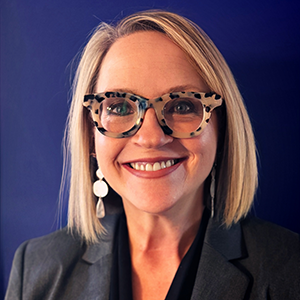
Tracy is a metastatic thyroid cancer survivor. Her diagnosis led her to shift professionally from internet consulting to cancer and chronic disease advocacy. She is currently the chief executive officer of the Patient Empowerment Network and has held executive positions at The Healing NET Foundation, the Lupus Foundation of America, Mid-South Chapter, and PearlPoint Cancer Support. Long active in the community, Tracy has served in board leadership roles for a variety of charitable organizations encompassing arts, education, survivorship, and healthcare.
About the Author
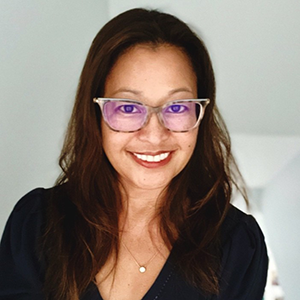
Pam is a lifelong patient advocate committed to dismantling barriers to care and improving care coordination. With a strong focus on mental and emotional health, providing support services, and educating patients and healthcare professionals, she actively collaborates with industry, patient advocates, clinicians, policymakers, and researchers to reduce the diagnostic odyssey, accelerate clinical research, and improve accessibility to care.