


In oncology, much of the conversation understandably focuses on treatment.
Chemotherapy. Surgery. Radiation therapy. Targeted drugs and immunotherapies.
These therapies are powerful, and they save lives every day. But after years of caring for patients with cancer and now helping lead cancer services across multiple hospitals, I have come to appreciate something that is discussed far less often: Some of the most important cancer care happens long before treatment begins. It happens when someone schedules a screening test, when an abnormal result is followed up quickly, and when a biopsy is performed without unnecessary delays. In many ways, the trajectory of a cancer journey is shaped long before the first treatment is given.
One moment I have witnessed repeatedly in oncology is the moment a patient receives an abnormal screening result. Not long ago, a patient in one of our cancer programs came in for a routine screening test. She felt well and had no symptoms. The screening detected something that required further evaluation. Within days she underwent additional imaging and a biopsy. Her case was reviewed by specialists, and a treatment plan was developed. The cancer was caught early. Her treatment options were broader and less invasive than they might have been if the disease had been discovered months or even years later. Stories like this are common in oncology. They are also a powerful reminder of something we sometimes overlook when we focus on cancer treatment: Screening can change the entire course of the disease.
One of the most important conversations patients can have with a healthcare provider starts with a simple question: “Am I up to date on my cancer screenings?”
Screening Saves Lives
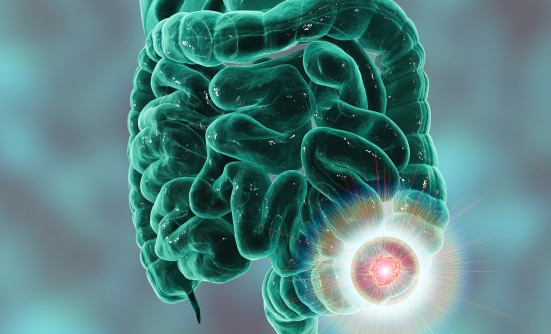
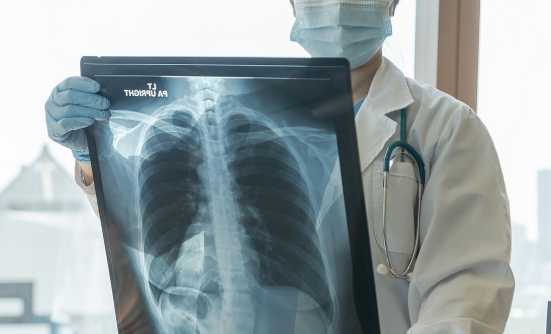
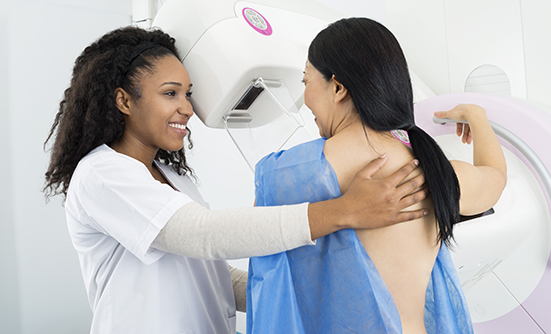
Cancer screening is one of the most powerful tools we have in modern medicine. Screening tests are designed to detect cancer before symptoms appear, when treatment is often more effective. For example, colorectal cancer screening, recommended beginning at age 45 for people at average risk, can detect precancerous polyps before they develop into cancer.1 Mammography can detect breast cancer years before it might otherwise be discovered.2 Cervical cancer screening can identify abnormal cells long before cancer develops. Over the past several decades, screening has contributed to significant declines in death rates from several common cancers.1
But screening only works when it actually happens. One of the most important conversations patients can have with their healthcare provider starts with a simple question: “Am I up to date on my cancer screenings?”
The Waiting Period
For many patients, the most stressful part of the cancer journey is not the treatment itself. It is the time between an abnormal test result and a diagnosis. During this period, patients may need additional imaging, biopsies, and consultations with specialists. Waiting for answers can feel frightening and uncertain. Across the country, cancer programs are working to shorten this period of uncertainty. Many health systems are developing processes designed to move patients more quickly from abnormal screening results to diagnostic testing and specialist evaluation. These efforts are not simply about efficiency. They are about reducing the emotional burden patients experience while waiting for answers.
Cancer Care Is a System
To many patients, cancer care can feel like a series of disconnected appointments. In reality, it is a carefully coordinated system designed to bring together expertise from many disciplines. Radiologists interpret imaging studies. Pathologists analyze biopsy samples. Surgeons evaluate operative options. Medical oncologists develop treatment plans. Oncology nurses educate patients and monitor therapy. Pharmacists ensure complex medications are delivered safely. When these systems function well, patients move more smoothly from screening to diagnosis and treatment. When coordination breaks down, patients can feel as though they are navigating the healthcare system alone. For this reason, improving access to screening, strengthening referral pathways, coordinating care across specialties, and supporting patients through oncology nurse navigation have become major priorities for modern cancer programs.3 These programs help ensure that patients and families are supported as they move from screening to diagnosis and treatment.
The Role of Oncology Nurses
Oncology nurses play a central role in guiding patients through the cancer journey. They help patients understand their diagnosis and treatment options, prepare for therapies such as chemotherapy or immunotherapy, and monitor for side effects during treatment. They also serve as an important bridge between patients and the broader care team. For many patients, oncology nurses become one of the most consistent and trusted presences throughout their cancer journey. They answer questions, provide education, and help translate complex medical information into something patients and families can understand.
A Question Worth Asking
So, I come back to the simple question I encourage patients and families to ask themselves and their healthcare providers: Am I up to date on my cancer screenings? It may seem straightforward, but the answer can have enormous implications. Screening does not prevent every cancer, but it offers an opportunity to detect many cancers earlier, when treatment may be more effective and outcomes may be better.
In oncology, we often celebrate breakthroughs in treatment such as new therapies, new technologies, and new research discoveries. Those advances are critically important. But sometimes the most powerful cancer treatment we have is not a new drug or technology. It is making sure the screening happens in the first place.
References
- American Cancer Society. Cancer Facts & Figures 2024. Accessed May 6, 2026. www.cancer.org/content/dam/cancer-org/research/cancer-facts-and-statistics/annual-cancer-facts-and-figures/2024/2024-cancer-facts-and-figures-acs.pdf
- US Preventive Services Task Force. Screening for breast cancer: US Preventive Services Task Force recommendation statement. JAMA. 2024;331:1918-1930.
- Nekhlyudov L, Levit LA, Ganz PA. Delivering high-quality cancer care: charting a new course for a system in crisis: one decade later. J Clin Oncol. 2024;42:4342-4351.
About the Author
Faith Selchick, DNP, APRN, AGPCNP-BC, AOCNP, OCN, CPHQ, is Assistant Vice President of Cancer Services for the Western and Northern Regions of Westchester Medical Center Health Network (WMCHealth) in New York. An experienced oncology nurse practitioner and oncology nurse, she provides executive leadership across cancer services and infusion centers, focusing on improving patient access, strengthening multidisciplinary collaboration, and advancing high-quality, patient-centered oncology care. She serves on the Board of Directors for the Oncology Nursing Certification Corporation (ONCC).