



Breast Cancer
Articles and resources on breast cancer for patients, caregivers, and family members
In May 2019, the FDA approved Piqray (alpelisib), the first PI3K inhibitor for the treatment of metastatic breast cancer with a PI3KCA mutation in postmenopausal women, and in men. An FDA spokesperson said it was the first treatment “to demonstrate a clinically meaningful benefit” for this type of breast cancer. Read More ›

In February 2019, the FDA issued a letter to raise awareness of the risk for a rare type of lymphoma, BIA-ALCL, that is linked to all types of breast implants. Although this is an uncommon reaction to implants, all women who have or intend to get an implant after breast cancer should be aware of this risk. Learn more about this risk here. Read More ›

Two-time breast cancer survivor and breast cancer expert Lillie Shockney offers insightful advice to mothers with metastatic disease on how not to burden their teens with heavy expectations, and instead allow them to have “teenager time.” Read More ›
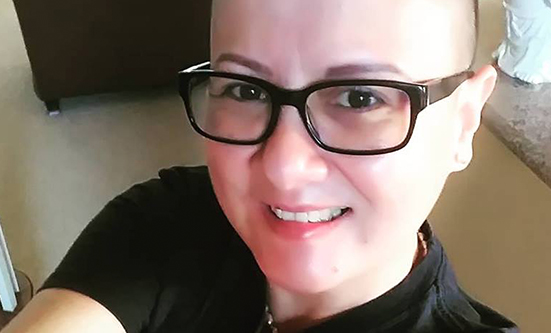
Melody recounts her story of being a 34-year-old new mother diagnosed with breast cancer. Read More ›



In March 2019, the FDA approved Tecentriq (atezolizumab), a PD-L1 inhibitor, in combination with Abraxane (paclitaxel protein-bound), for use in adults with locally advanced or metastatic triple-negative breast cancer whose tumors cannot be removed by surgery and express PD-L1, as identified by an FDA-approved test. This is the first FDA-approved immunotherapy for patients with advanced or metastatic triple-negative breast cancer. Read More ›

By Sal Gregory
With an infant son and a difficult-to-treat breast cancer, Sal Gregory decided she had to gather strength through her faith and positive attitude. Read More ›