



All Articles

Targeted therapy is at the forefront of chronic lymphocytic leukemia (CLL) treatment. In many cases, targeted agents offer superior outcomes to chemotherapy, with more manageable side effects. Multiple targeted therapy options are available, and some choices depend on certain molecular markers. Read More ›
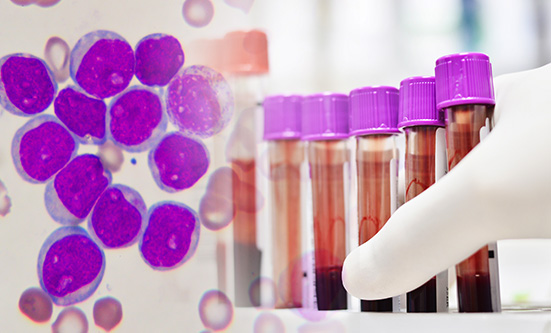
Cytogenetic testing is used to identify genomic aberrations in patients with chronic lymphocytic leukemia (CLL). It estimates a patient’s outcomes and can predict response to certain therapies, and therefore is recommended for all patients with CLL at diagnosis. Read More ›
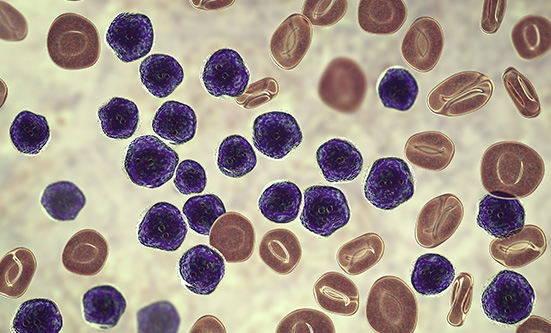
A new study presented at a major medical meeting showed that fewer patients with treatment-naïve chronic lymphocytic leukemia (CLL) who were treated with acalabrutinib alone or in combination with obinutuzumab had disease progression or died compared with a group of patients treated with the combination of obinutuzumab and chemotherapy. Read More ›
A 3-drug regimen of acalabrutinib, venetoclax, and obinutuzumab was highly effective in removing all traces of disease from the bone marrow of patients with chronic lymphocytic leukemia, according to study results presented at the American Society of Hematology annual meeting. Read More ›
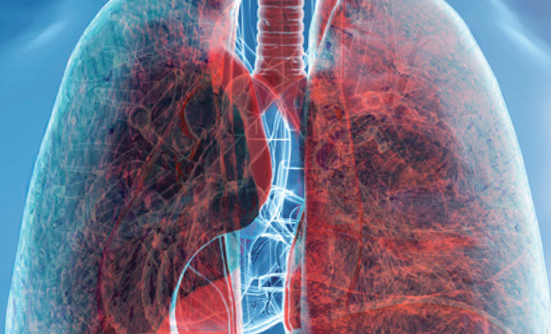
A new study found that untreated patients with advanced non–small-cell lung cancer (NSCLC) who received a combination of 2 immunotherapy drugs—nivolumab (Opdivo) and ipilimumab (Yervoy)—had increased overall survival (OS) compared with patients who received chemotherapy. In short, the patients on the immunotherapy drug combination lived longer. Read More ›

There are a number of excellent organizations providing resources and support to you as a patient with ovarian cancer or a caregiver. Read More ›
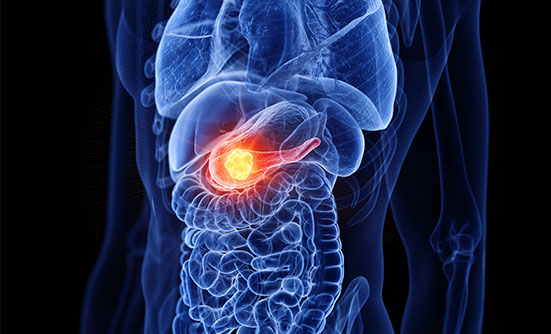
Pancreatic cancer is difficult to diagnose early, because it often has no symptoms until much later, and it often goes undiagnosed until the cancer is advanced or metastatic, when it can no longer be cured. Read More ›

Depending on the cancer type and stage, along with individual patient factors, pancreatic cancer can be treated with surgery, radiation, chemotherapy, immunotherapy, targeted therapy, supportive care, or a combination of these treatments. Read More ›
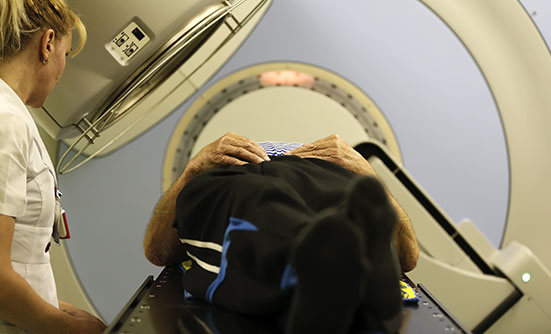
Helping patients preserve their quality of life by avoiding major side effects, maintenance therapy is a relatively new but promising form of treatment for pancreatic cancer. Read More ›

Getting proper nutrition is often difficult for patients with pancreatic cancer, but it is possible with specialized nutritional care and guidance from a registered dietitian.
Read More ›