



All Articles
In shared decision-making, patients communicate their preferences and values to their healthcare team when treatment decisions are made. Patients who take an active role in the process tend to be more satisfied with their quality of care. Read More ›
Oral medications are being used increasingly in cancer treatment plans and are more convenient to take compared with medications administered in the doctor’s office or hospital. Oral treatments, however, have their own set of challenges that require effective communication between the patient and the healthcare team. Read More ›

Since her diagnosis and treatment for triple-negative breast cancer, Anne Weathersby has turned her photographer’s eye to elements in nature as a way to heal. Read More ›
After getting tested for genetic abnormalities, Brandi Bryant learned she had the ALK genetic mutation, which increases the risk for lung cancer. This information resulted in important changes in her treatment and led her to become an advocate for genetic testing, especially among minority communities. Read More ›
Cancer Dietitian Julie Langford suggests starting the new year with a positive approach by avoiding the usual negative resolutions about food and focusing on what you enjoy eating. Read More ›
After her successful treatment for stage IV triple-negative breast cancer, Beverly Bradley wanted to give back. With her physician’s help, she began mentoring other women with cancer, creating a sisterhood of survivors. Read More ›
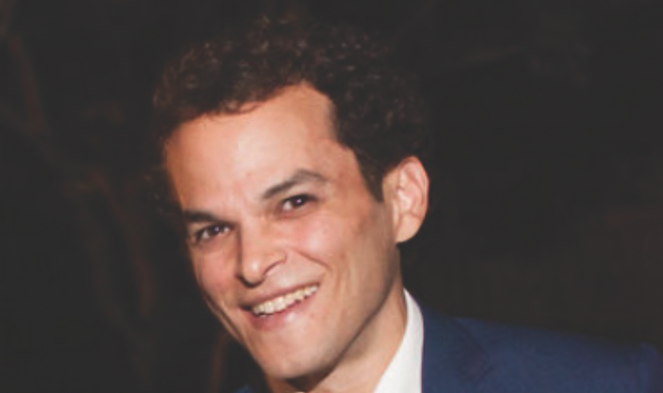
By Jon Grossman
Jon Grossman shares his powerful story of learning he inherited the genetic mutation that caused his mother’s stomach cancer, and the drastic steps he took to ensure he will not have that cancer. Read More ›
If you have cancer in the head or neck, you may have difficulty chewing, swallowing, or other treatment-related issues that can lead to malnutrition. Although eating may not be pleasurable now, it’s your lifeline during treatment and beyond. Read More ›

By Alan Spector
Leukemia survivor Alan Spector highlights the importance of maintaining balance and keeping hope during cancer by developing a “life plan” in addition to a “cancer plan.” Read More ›