



A Note From Your Navigator

National Cancer Prevention Awareness Month is observed in the United States every February. Awareness ribbons are powerful symbols in the fight against cancer with each color representing a specific type of cancer. Read More ›

AI and cutting-edge tools are reshaping cancer care with earlier diagnoses, targeted
treatments, and remote monitoring, but the human side of care is irreplaceable. Learn how
healthcare professionals bridge the gap between innovation and the patient experience,
ensuring these advances benefit everyone. Read More ›

Breast and prostate cancers may affect different organs, but their shared biology tells a
unified story. Explore how early detection, family history, and innovative treatments are
uniting the fight against these seemingly different cancers. Read More ›
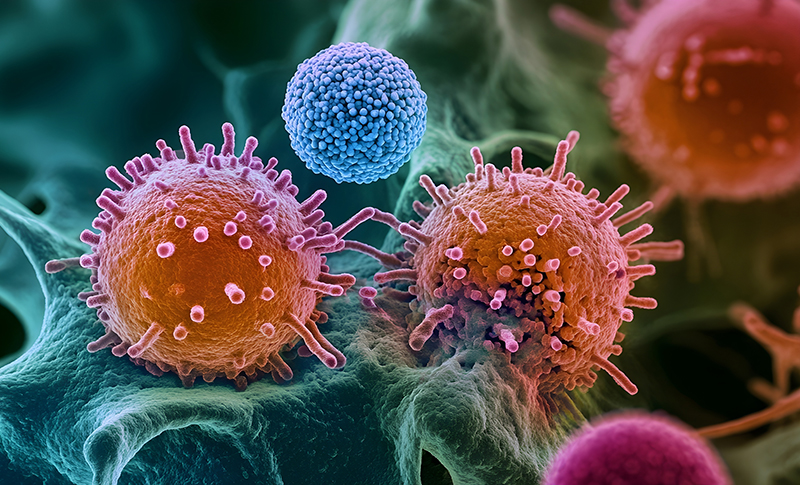
What if your body’s natural defenses could be trained to take on cancer? This article dives into the fascinating science of immunotherapy and why it’s becoming a game-changer for many people with cancer. Read More ›

Patients are fundamental to clinical trials because their participation is essential for generating medical knowledge, improving treatments, and developing new therapies. Read More ›

Together, these elements create a comprehensive approach to cancer care that is both scientifically advanced and deeply supportive of patients’ needs. Read More ›

Doing things with an open heart is a source of intimacy that is unique to the caregiving
relationship. However, caregivers can experience stress, anxiety, and depression—what they
need most is to know and feel that someone genuinely cares about them as a caregiver. Read More ›

Winter can be a challenging time for our health and wellness. However, this season also
presents an opportunity for renewal and focus. Tailoring your diet and fitness goals
during winter can set the stage for a healthier year ahead. Read More ›

Through the dissemination of evidence-based information, healthcare providers can use
factual, transparent data to allay fears and combat the negative effects of cancerphobia. Read More ›

Patients may need a second opinion to solidify an informed care decision.
The bottom line is to feel confident and in control of your journey as the
understanding of treatment options is enriched. Read More ›