


Technological advances, especially those supported by artificial intelligence (AI), have enhanced cancer care by improving diagnostic outcomes, treatment evolutions, and patient management. The creative concepts behind the innovations have led to earlier detection, more personalized and precise treatments, better symptom management, and improved coordination of care. But the human side is still needed with these advancements.
Clinical trial participation is critical to prove the benefits of these developments. To ensure new medical treatments are safe and effective for everyone, the trials need a diverse range of people, which requires participants of different ages, genders, races, ethnicities, health statuses, and socioeconomic backgrounds. And a human contact to educate patients about trial opportunities and explain the newer technology is essential.
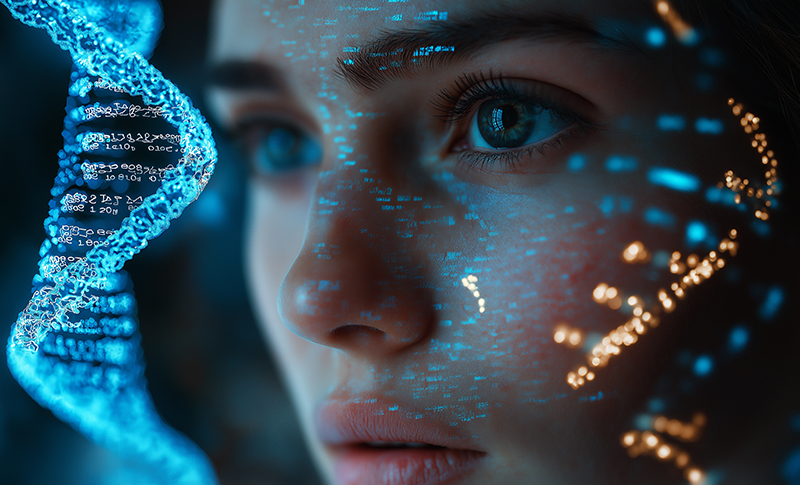
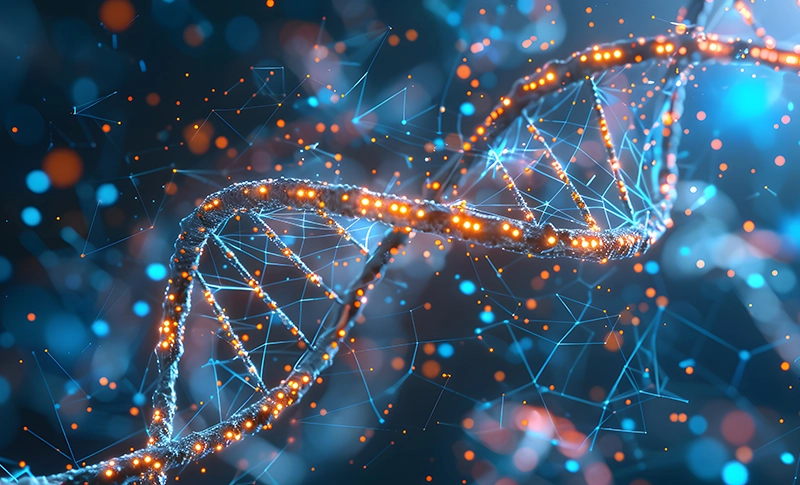
In diagnostics, AI can analyze images and scans and detect changes to accurately diagnose cancer earlier, and specific genetic profiling can create personalized diagnostic plans. Innovative technologies are developing tests that look for genetic signals in blood samples to screen multiple types of cancer at once.
In treatment, personalized genetic profiling helps the healthcare team tailor treatments to be more effective with fewer side effects. Robotic-assisted surgery is a computer science that enables more precise surgical procedures by removing cancerous tissue with greater accuracy and less damage to the body. Unique targeted drug delivery can deliver chemotherapy drugs directly to tumor cells, often in response to an external trigger such as ultraviolet light.
In patient management, wearable devices, online patient portals, and remote monitoring allow for continuous health tracking, reducing the need for frequent hospital visits and improving convenience. The information from the digital tools is placed in electronic medical records that are shared among multiple specialists involved in a patient’s care. It is an avenue of contact for those in rural areas who may not have easy access to an oncologist. The tools are also a method of communication between the patient and the healthcare team to help patients manage symptoms and treatment side effects, allowing a more active participation in one’s healthcare.
The human side comes in again as the vast amount of data generated by these digital tools fuels research, accelerates the understanding of cancer biology, and leads to the development of new therapies. AI can analyze millions of cases, find new drug targets, or predict how cancers will progress, but the healthcare professional is the trusted conduit between technology and the patient to explain the great strides being made in oncology care.
Sharon S. Gentry, MSN, RN, HON-ONN-CG, AOCN, CBCN, is a champion of people living with cancer and an oncology healthcare provider with over 40 years of oncology care experience.