

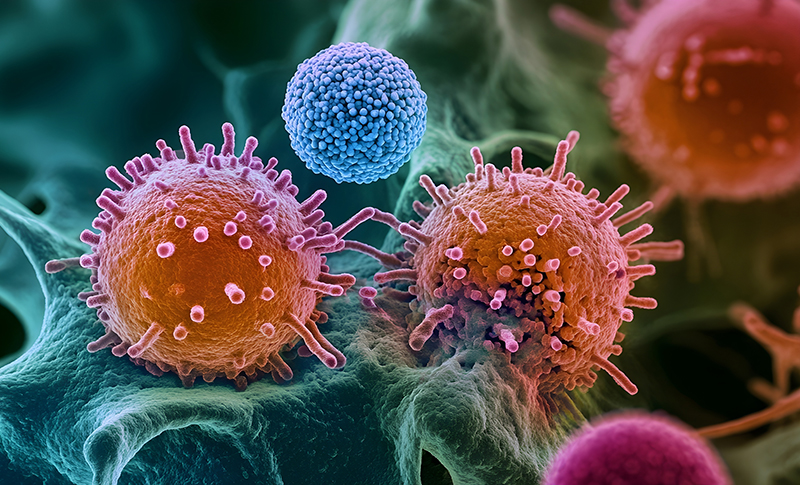


Most patients are familiar with cancer therapies such as surgery, radiation, and chemotherapy. In the late 1800s, when Dr. William B. Coley used Coley’s mixed bacterial toxins to purposely treat an advanced tumor in a man, a scientific foundation was established that has evolved into a fourth arm of treatment—immunotherapy.1 Immunotherapy, or immuno-oncology (IO), uses the body’s own immune system to fight cancer cells. Types of IO include checkpoint inhibitors, monoclonal antibodies, cancer vaccines, cytokines, and adoptive cell transfer. Each type can boost or change how the immune system works so it can find and attack cancer cells.
With the expansion of cancer treatment comes the necessity of identifying effective communication strategies for healthcare providers to use to describe immunotherapy in ways that patients can understand so they can make informed choices for care and have the best adherence to treatment. With IO, a person’s immune system can be described as a line of defense looking for invaders or threats. Immunotherapy is strategic support to “train” or “wake up” the immune cells, helping them to recognize the cancer cells as invaders. IO can also provide the immune system with “weapons” to fight cancer cells more effectively, such as specially designed antibodies. Or, if cancer cells try to “cloak” themselves and hide, or if they try to put “brakes” on the immune system to prevent being attacked, IO can reveal the hidden cells and remove the brakes, freeing up the immune cells to attack the cancer.
The beauty of this evolving treatment is that there are distinct types of immunotherapies, each working in a unique way to boost the immune system’s fight against cancer. As with the other common cancer treatments, there are side effects, including inflammation and other immune-related adverse events, depending on which type of immunotherapy is used. These possible effects will be explained to the patient so that informed consent to treatment can be given.
This evolving therapy can work on many diverse types of cancer and has made a sustainable difference for patients with cancers that have been resistant to standard chemotherapy and radiation treatment. As immunotherapy trains the immune system to remember cancer cells, there are durable responses for survival that may continue even after treatment is completed.
To review the development of immunotherapy beginning with Coley’s toxins in the late 1800s, visit the Cancer Research Institute, which was founded by his daughter in 1953, to learn more about this exciting treatment and see the complete list of immunotherapies by cancer type.2

References
- Cancer Research Institute. 30 facts about immunotherapy. Accessed July 7, 2025. www.cancerresearch.org/immunotherapy-facts
- Cancer Research Institute. Immunotherapy basics. Accessed July 7, 2025. www.cancerresearch.org/what-is-immunotherapy
Sharon S. Gentry, MSN, RN, HON-ONN-CG, AOCN, CBCN, is a champion of people living with cancer and an oncology healthcare provider with over 40 years of oncology care experience.