


Your cancer survivorship is hard won and unique to you. The diagnosis of cancer and undergoing treatment are recognized as traumatic and life-changing events,1 often followed by ongoing treatment-related issues.2 Your everyday experience in survivorship is intertwined with your resilience to trauma, in both mind and body. The ability to adapt and gather sources of support around you nurtures your resilience.1
Your Survivorship Is Unique to You
You have resources and barriers unique to you that can impact your sense of resilience and, thus, your survivorship experience at any given point. These factors are an ever-changing mix of support and challenges in all facets of your life—personal, community- based, financial, psychological, functional, emotional, and physical.1
It may provide a sense of validation, hope, or both, to know that research has shown many cancer survivors exhibit deep resilience. Many also experience personal growth for a greater sense of spirituality and self-esteem. This phenomenon may be related to post-traumatic growth (PTG).1
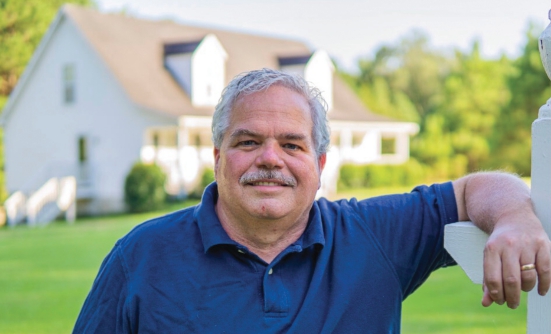
Interviewed cancer survivor Jonathan validates the life-changing experience of dealing with cancer:
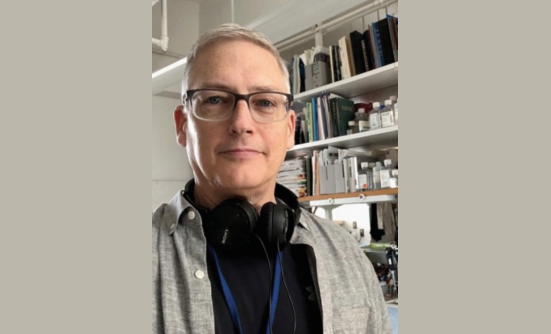
“Cancer is such a complicated disease. It involves every system in your body. It involves your human psychology. It involves your family and your relationships. Everything bar nothing has changed about my life having this diagnosis. And not all in a bad way either.”3
Jonathan R.—Stage IV colon cancer survivor and PhD in public health.
Your experiences in diagnosis, treatment, health, everyday life, support systems, self-advocacy, and perspective shape your survivorship. How you adapt to or overcome barriers to your healthcare and the functional needs of everyday life also plays a critical role.1
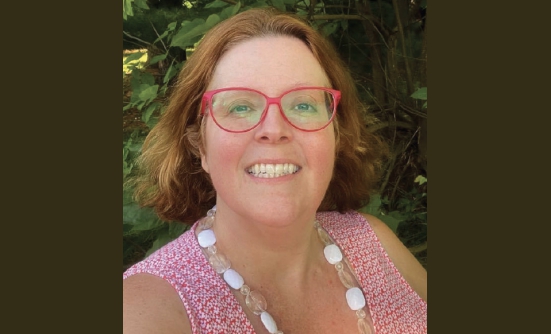
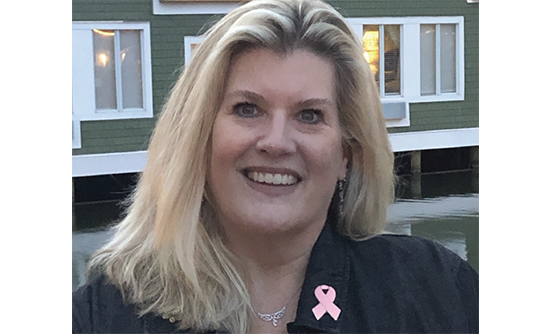
In her interview, Harriet, a grief therapist, eloquently relays changing perspectives and priorities as a survivor:
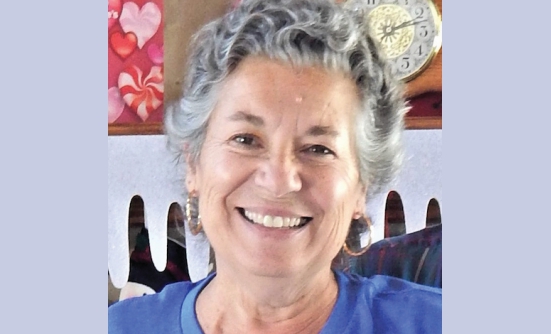
“You rebuild your life after treatment, literally and figuratively...you’re also rebuilding the quality of your life, and you’re reevaluating after going through such a trauma. What’s meaningful? Where do I go from here? What do I want to do with what I’ve just been through?”4
Harriet C.—Non-Hodgkin lymphoma survivor and grief therapist.
Self-Esteem, Self-Image, and Post-Traumatic Growth
Your survivorship is indelibly interwoven with your self-esteem and self-image.

Courtney Ackerman of Positive Psychology describes self-image and self-esteem in an easy-to-understand manner: self-image is what you see when you look in the mirror and how you picture yourself in your head; self-esteem is the overall sense of respect for yourself and how favorably you may or may not feel about yourself.5
People with a higher sense of self-esteem show a greater ability to persevere, reframe their situation in a positive manner, adapt to circumstances, and enjoy a strong social network.5 Conversely, people with lower self-esteem show greater negative psychological and physical impact to challenges and adverse events. Interestingly, people with a sense of humor exhibited higher self-esteem.6 Laughter can be the best medicine. Some studies show that self-esteem increases for some people in survivorship.6
Are you surprised? You may not be. After all, you know the challenges you have faced and overcome and the adaptations you make each day. Here are some accessible ways you can boost self-esteem and self-image:
- Establish a strong social support network (such as support groups, social groups), proactively staying in touch with friends and family1
- Maintain or improve your physical and emotional health
- Exercise to feel stronger and relieve stress7
- Take care of your mind through quality sleep every night8
- Request a referral to engage in oncology rehabilitation9
- Practice acceptance of and adaptation to the changes in your life1
- Practice mindfulness around new limitations1
- Ask for a referral to a counselor to assist with adaptation1
- Find adaptation support organizations, such as1:
- Ostomy.org
- Amputee-Coalition.org
- EverYou.com—Hair loss and postsurgical products
- Man Up to Cancer.org—Support for men
- Stupid Cancer.org—Adolescent and young adult (AYA) information and support
- American Cancer Society.org—Comprehensive guidance for survivors
- CancerCare.org—A national cancer support organization
Your Brand of Post-Traumatic Growth Colors Your Survivorship
If you take a moment and look back since your diagnosis, you may find an increased ability to adapt to and overcome adversity. You may find shifts in priorities, a stronger core self, a sense of purpose, and maybe even a deeper spirituality. You may appreciate beauty you had not noticed before. With post-traumatic growth, life holds more meaning.
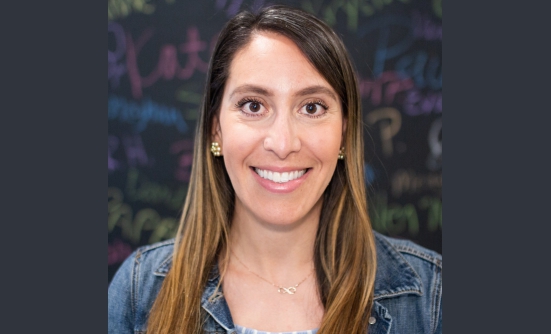
Sara, a breast cancer survivor, shares her empowering experience of joining an outdoor adventure group for breast cancer survivors:
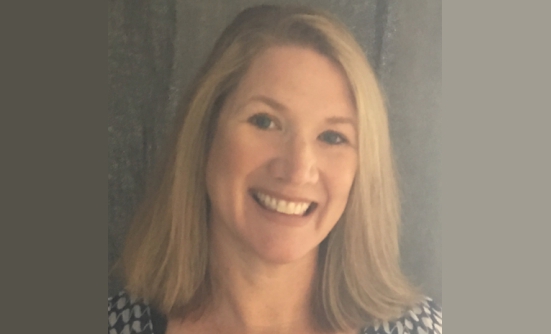
“Just being conscious of what your limitations might be; do your workouts and your stretches, like you should, to keep your body from continuing to get worse as a direct result of some of the treatments you may have had during cancer. Being surrounded by women who also give you the courage and the reminder that you can do this for self-growth and empowerment—because you know you can’t take that away from us. Cancer takes away so much. Growing and trying new things and challenging ourselves can never be taken away.”10
Sara R.—Breast cancer survivor.
Empower Yourself—Be in the Know
Until recently, cancer care and research focused primarily on fighting cancer and on surveillance (watching for recurrence of your cancer) after treatment. Not very much attention has been paid to the minefield of survivorship issues many people deal with, some for years after treatment.2
The isolation, lack of support, and confusion that can occur after treatment are apparent in Sara’s words:
“I felt flicked like a baby bird from the nest. Everyone around me was celebrating that my treatment was done. I was tired, I did not feel right, and I was in pain, with no idea where to turn or who to see.”10
Sara R.—Breast cancer survivor.
We are now witnessing a transformation in survivorship care as a growing surge of attention and research is focused on quality-of-life issues, a whole-person approach, longitudinal (rest of life) care, and return-to-function/work challenges through and after treatment.
The National Cancer Institute (NCI) has accelerated this transformation with the individual survivor in mind. The NCI has applied whole-person, lifelong care parameters to the mandated National Standards of Care for Cancer Survivorship. The processes for the parameters are mandated for 2024 and focus on health system policy, health system processes, and health system evaluation/assessment. The NCI holds your legislators and policymakers, healthcare systems, team members, and health insurers accountable to this mandate, with your lifelong survivorship in mind.11
If you would like to have a voice in the shaping of policies for survivorship, check out the National Coalition for Cancer Survivorship (NCCS). You can start as small as participating in their yearly “State of Survivorship” survey or expand your participation by traveling to Washington, DC, with NCCS to advocate for survivorship concerns with state and national legislators.
You also have options to put integrative medicine and integrative health services to work for you. Integrative medicine uses mind-body practices, lifestyle changes, and natural products through multiple disciplines to manage symptoms and improve quality of life during and after treatment.12 Integrative medicine is increasingly gaining credibility and engagement in clinical trials as a resource for lifelong supportive care in survivorship.12 You can contact your health insurer’s member services department to determine what integrative health benefits and discounts you may have. In the near future, you may also see your primary care provider as your expert survivorship care provider based on current initiatives and research.13
Staying informed empowers you to reclaim control over your survivorship experience by staying abreast of the latest survivorship care and self-care advancements.
Staying informed empowers you to reclaim control over your survivorship experience by staying abreast of the latest survivorship care and self-care advancements. If something looks relevant to you, investigate it further and ask your healthcare team about their thoughts. To help you stay on top of the latest developments, make use of credible, informational blogs that publish news releases on the latest cancer treatment and survivorship advances. They often cover topics such as wellness, integrative medicine, recurrence, sexual health, emotional health, financial toxicity (the financial distress and burden of healthcare expenses), and many others. Cancer Currents: An NCI Cancer Research Blog is a strong resource to help you stay up to date.
Your local cancer support group may offer no-cost beneficial mind-body exercise and creative art courses, such as tai chi, chair yoga, art classes, music therapy, Reiki, and meditation sessions either in person or as virtual programs.7,12 If needed, you can empower yourself and participate from your couch or bed with the virtual classes. If you recently had surgery or another procedure, obtain clearance from your healthcare team before engaging in the physical movement classes. If you have access to a navigator, case manager, or social worker, work with them to learn about resources helpful to you. They can also help coordinate care in this complex world with so many moving parts.
A Newer Kind of Survivorship
You may find yourself as a recurrent, metastatic, or advanced cancer survivor having your survivorship shaped by ongoing treatment or medication designed to hold your cancer in check rather than reach a cure.14-17 Metastatic cancer treatment may create another layer of survivorship concerns as a result of continued symptom management, financial toxicity, frequent bloodwork and diagnostic imaging, and associated workplace flexibility needs. Many cancer support programs have metastatic cancer support groups. A well-run metastatic cancer support group can offer you a sense of belonging in a place where others live and understand your fears and frustrations. This space is often uniquely empowering. Information and knowledge regarding resources and navigation are freely shared.17
Palliative Care and Integrative Medicine For Symptom Management
The need for robust supportive care integrated into cancer treatment is receiving increased recognition. Palliative care, which is specialized medical care for people living with a serious medical condition, provides relief from the symptoms and stress of the illness. Research shows that cancer survivors who have palliative care involved at the beginning of treatment for advanced cancers do better throughout treatment, have higher satisfaction with their care, and live longer; their symptoms are managed more effectively, and they receive more whole-person support.14,15,17 Palliative care is appropriate at any stage of a serious illness and is different from hospice care, which is reserved for patients who are terminally ill and whose active treatment has ended.
If you have bothersome symptoms, empower yourself through online research into integrative and palliative care options and clinical trials. Avoid assuming that because there were no effective options last year, none are available now. Cancer survivorship symptom management is continually evolving.
Conclusion
You are empowered to take control of much of your survivorship. Inform and advocate for yourself. Research shows you can adapt and grow in a positive direction with the right resources gathered about you. You may find yourself in a better place emotionally, spiritually, and psychologically than you were before you were diagnosed, through your post-traumatic growth. Awareness of the challenges faced by survivors is growing, and options for survivorship care are growing as well.
Empower yourself: Stay informed. Stay socially connected. Exercise! Join a survivor support or empowering advocacy organization. Take care of your health. Explore mind-body connection exercises. Speak up for your needs. Live your best possible life as a cancer survivor.
References
- Seiler A, Jenewein J. Resilience in cancer patients. Front Psychiatry. 2019;10:208.
- National Coalition for Cancer Survivorship. Defining cancer survivorship. July 24, 2014. Accessed August 22, 2024. https://canceradvocacy.org/defining-cancer-survivorship/
- Interview with Jonathon Raviotta, PhD. From the depth of despair to embracing life: the stage IV colon cancer survivor journey of Dr. Jonathan Raviotta, PhD, Public Health. Everything Cancer podcast. July 10, 2024. Accessed August 27, 2024. www.buzzsprout.com/2323603/15352567
- Interview with Harriet Cabelly. Kintzugi—finding beauty in brokenness: an interview with grief therapist and cancer survivor, Harriet Cabelly. Everything Cancer podcast. August 1, 2024. Accessed August 27, 2024. www.buzzsprout.com/2323603/15512682
- Ackerman CE. What is self-image in psychology? How do we improve it? Positive Psychology. December 22, 2018. Accessed August 29, 2024. https://positivepsychology.com/self-image/
- Niveau N, New B, Beaudoin M. How should self-esteem be considered in cancer patients? Front Psychol. 2021;12:763900.
- Coletta A, Basen-Engquist K, Schmitz K. Exercise across the cancer care continuum: why it matters, how to implement it, and motivating patients to move. Am Soc Clin Oncol Educ Book. 2022;42:932-938.
- Kröz M, Quittel F, Reif M, et al. Four-year follow-up on fatigue and sleep quality of a three-armed partly randomized controlled study in breast cancer survivors with cancer-related fatigue. Sci Rep. 2023;13:2705.
- Mayer RS, Engle J. Rehabilitation of individuals with cancer. Ann Rehabil Med. 2022;46:60-70.
- Squire J. “I got my life back!” through Move Beyond Surviving – an outdoor challenge experience for breast cancer survivors. Everything Cancer podcast. April 22, 2024. Accessed August 27, 2024. www.buzzsprout.com/2323603/14938320
- National Cancer Institute. Office of Cancer Survivorship. National standards for cancer survivorship care. Updated August 29, 2024. Accessed August 29, 2024. https://cancercontrol.cancer.gov/ocs/special-focus-areas/national-standards-cancer-survivorship-care
- Gowin K, Muminovic M, Zick S, et al. Integrative therapies in cancer care: an update on the guidelines. Am Soc Clin Oncol Educ Book. 2024;44: e431554.
- National Cancer Institute. Office of Cancer Survivorship. Primary care and cancer survivorship. Updated August 22, 2024. Accessed August 29, 2024. https://cancercontrol.cancer.gov/ocs/special-focus-areas/primary-care-and-cancer-survivorship
- Interview with Dr Raymond Chan and Dr Larissa Nekhlyudov. Survivorship care for people affected by advanced or metastatic cancer: MASCC-ASCO standards and practice recommendations. ASCO Guidelines podcast. April 29, 2024. Accessed September 19, 2024. https://sites.libsyn.com/115284/ascoguidelines/survivorship-care-for-people-affected-by-advanced-or-metastatic-cancer-mascc-asco-standards-and-practice-recommendations
- Hart N, Nekhlyudov L, Smith T, et al. Survivorship care for people affected by advanced or metastatic cancer: MASCC-ASCO standards and practice recommendations. JCO Oncol Pract. 2024;20:1160-1172.
- Li Z, Laginha K, Boyle F, et al. Professionally led support groups for people living with advanced or metastatic cancer: a systematic scoping review of effectiveness and factors critical to implementation success within real-world healthcare and community settings. J Cancer Surviv. Published online January 8, 2024. https://link.springer.com/article/10.1007/s11764-023-01515-w
- Horrom T. Early palliative care for advanced lung cancer increases survival. U.S. Department of Veterans Affairs. Office of Research & Development. September 17, 2019. Accessed August 22, 2024. www.research.va.gov/currents/0919-Early-palliative-care-for-ad vanced-lung-cancer-increases-survival.cfm
About the Authors
Jill McCullough-Squire, BSN, RN, OCN, is an oncology-certified nurse and long-time cancer support group facilitator. She is the founder of Cancer Survivorship Advocacy Resources and the host and producer of the Everything Cancer podcast. Jill has held diverse roles in nursing, clinical informatics, oncology clinic and infusion center management, oncology navigation, and complex case management in the payer and surgical oncology/cellular therapy acute care settings. Jill is passionate about content creation and amplifying the voices of cancer survivors.
Kimberlee Emfield-Rowett, DNP, MSN, MBA, RN, is TeleOncology Clinical Manager, Intermountain Health and a dedicated nurse professional focused on improving patient outcomes. Having recently earned her DNP, she is also an enthusiastic nurse leader devoted to empowering nurses. Kim holds a holistic view of the patient and the healthcare team, believing that philosophy improves the care experience. A published author and experienced speaker, Kim’s specialties include oncology and hospice, and her passions include telehealth, nurse navigation, writing, and community outreach. Kim was named one of the rising stars and emerging leaders included in the 40 Under 40 in Cancer for 2024.