

The Importance of Palliative Care: Providing Relief, Not Just at the End of Life
Palliative care is an essential but often misunderstood part of the cancer journey. Many patients and caregivers mistakenly associate palliative care with end-of-life hospice care, but the two are not the same. While hospice care is a type of palliative care for patients nearing the end of life, palliative care itself is a much broader specialty designed to improve quality of life for patients at any stage of a serious illness, including cancer.
What Is Palliative Care?
Palliative care is specialized medical care focused on providing relief from the symptoms and stresses of a serious illness, such as cancer. Its goal is to enhance the quality of life for both patients and their families. A palliative care team typically includes doctors, nurses, social workers, and other specialists who work together with a patient’s primary treatment team to address physical, emotional, and spiritual needs.
Palliative care is available to anyone experiencing a serious illness, regardless of age, stage, or prognosis.19 It is not limited to those at the end of life and can be integrated alongside curative or life-prolonging treatments, such as chemotherapy, radiation, or surgery.
How Does Palliative Care Differ from Hospice Care?
Understanding the distinction between palliative care and hospice care is critical to dispelling common misconceptions:
- Palliative care: This type of care can be provided at any stage of illness and is focused on symptom management, improving quality of life, and addressing emotional and spiritual concerns. It often accompanies active, curative treatments and is not an indication that treatment has stopped
- Hospice care: Hospice care is a specific type of palliative care for individuals nearing the end of life, typically with a prognosis of 6 months or less. It focuses on comfort rather than curative treatments and often takes place in a patient’s home, a hospice facility, or a hospital
In short, all hospice care is palliative care, but not all palliative care is hospice care. Palliative care can and should be considered early in the cancer journey—not just when other treatment options have been exhausted.
The Benefits of Palliative Care
Engaging in palliative care early in the cancer journey offers many benefits, including:
- Symptom management: Palliative care can help alleviate symptoms such as pain, nausea, fatigue, and shortness of breath, improving daily comfort
- Emotional and psychological support: Cancer often comes with emotional challenges like anxiety and depression. Palliative care teams offer counseling, support groups, and coping strategies to help patients and families manage these stresses
- Improved communication: Palliative care specialists can help patients and families navigate complex medical decisions and ensure their values and goals are central to the treatment plan
- Caregiver support: Palliative care provides resources and respite for caregivers, who often experience significant stress and burnout
Why Start the Conversation Early?
It’s common for patients and caregivers to hesitate in discussing palliative care, fearing it signals giving up hope. In reality, integrating palliative care early in the treatment process can provide vital support during a challenging time. Research shows that early palliative care interventions can improve quality of life, help patients tolerate treatments better, and even extend life expectancy in some cases.
Starting this conversation early allows patients and families to understand how palliative care can support their goals, whether those goals include aggressive treatment, symptom management, or end-of-life planning.
How to Begin the Discussion
Here are a few ways to initiate a conversation about palliative care with your healthcare provider:
- “I’d like to learn more about how palliative care could help manage my symptoms during treatment.”
- “Can you tell me if there are palliative care specialists available at this hospital?”
- “How can palliative care support my treatment goals and overall quality of life?”
- “What kind of resources are available for caregivers through palliative care?”
Palliative care is about prioritizing what matters most to the patient—whether that’s symptom control, spending more time with loved ones, or being able to maintain independence during treatment.
Palliative care is about prioritizing what matters most to the patient—whether that’s symptom control, spending more time with loved ones, or being able to maintain independence during treatment.20 By engaging in conversations about palliative care early, patients and caregivers can make informed decisions that align with their values and goals. As Dr. Maisha Robinson, a palliative medicine expert at Mayo Clinic, emphasizes, “Palliative care is about living as well as you can for as long as you can.” Remember, this type of care is about enhancing life, not hastening the end of it.
Navigating Recurrence
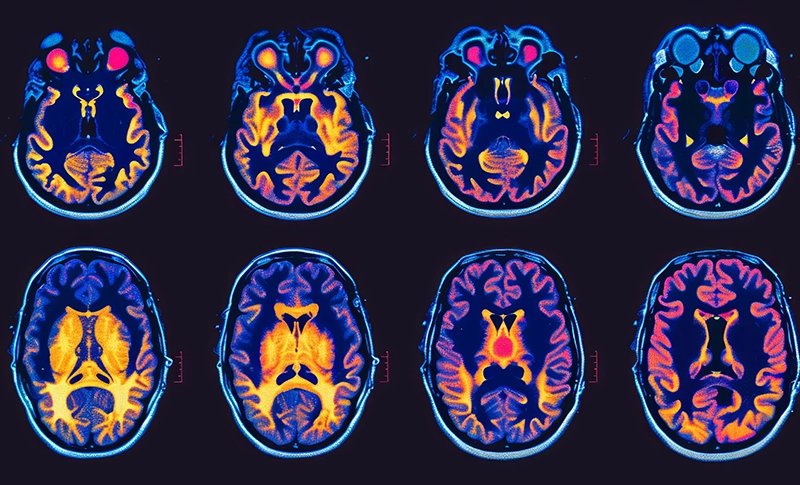
For many individuals with brain tumors, recurrence can be one of the most challenging and frightening phases of their journey. The return of a tumor after initial treatment raises numerous questions and uncertainties. While this is a difficult time, it also presents an opportunity to reassess treatment options, seek additional perspectives, and lean on support systems.
Understanding Recurrence
Recurrence means that a tumor has returned after treatment, either in the same location or a new area. Common symptoms of recurrence may mirror those experienced during the initial diagnosis or may be unique to the progressing tumor. These can include persistent headaches, seizures, cognitive changes, or motor impairments. Regular follow-up imaging and consultations with your medical team are critical for identifying recurrence early and determining the next steps.
In some cases, recurrence involves the development of multiple tumors, a condition known as leptomeningeal disease (LMD). LMD occurs when tumor cells spread to the cerebrospinal fluid and the thin layers of tissue covering the brain and spinal cord (the leptomeninges). This condition can lead to a variety of neurological symptoms and often requires a specialized treatment approach.
Key Steps to Take After a Recurrence
Facing recurrence requires thoughtful consideration and proactive decision-making.
Identify Your Goals. As you begin this next phase of the cancer journey, take a moment to reflect on what matters most to you. Ask yourself:
- What are my goals for treatment? Am I focused on extending life, minimizing symptoms, maintaining quality of life, or all three?
- What are my personal priorities? Spending more time with family, maintaining independence, or feeling as well as possible?
- What support do I need—physically, emotionally, or practically—to navigate this phase?
Sharing these goals with your healthcare team and caregiver can help align your treatment plan with your values and priorities. Understanding your needs and wants will also guide conversations about clinical trials, additional treatments, or palliative care options.
Seek a Second Opinion. Recurrence is a pivotal moment to reevaluate your treatment plan. Consulting with another specialist can provide fresh insights into available options and innovative approaches. A second opinion may reveal eligibility for advanced therapies or clinical trials that could offer new avenues for treatment.
Explore Clinical Trials. Clinical trials often focus on recurrent tumors, offering experimental treatments such as immunotherapy, personalized vaccines, targeted therapies, and novel drug combinations. Molecular profiling of the tumor, if not already completed, can help identify genetic markers that guide trial eligibility.
Consider Your Support System. Building and leaning on a strong support network is crucial during this time. This may include:
- Family and friends: Don’t hesitate to ask for help with daily tasks, attending appointments, or simply being there for emotional support
- Support groups: Joining a group for brain tumor patients or caregivers can provide comfort and practical advice from those who have faced similar challenges
- Professional resources: Social workers, patient navigators, and palliative care specialists can help address logistical and emotional needs during this phase
Don't be afraid to ask for help. Remember, you're not alone in this journey. There is a community of medical professionals, loved ones, and support organizations ready to stand by your side.
Although recurrence is a difficult phase, it is also a chance to reassess priorities and access new resources. Engage with your healthcare team, explore all available options, and don’t be afraid to ask for help. Remember, you are not alone in this journey—there is a community of medical professionals, loved ones, and support organizations ready to stand by your side.