


In the past 40 years, there’s been tremendous progress in the way that we detect, diagnose, and treat breast cancer. Today, we understand that breast cancer is not just one disease but many different types. We also know that breast cancer affects everyone differently, and no two people will have the same experience. This is especially true for those with metastatic breast cancer (MBC).
MBC, also called stage 4 breast cancer, is an advanced stage of the disease in which cancer cells from the original tumor in the breast spread, or metastasize, beyond the breast and nearby lymph nodes to other organs of the body. These cells then develop new tumors at these distant sites, most commonly the bones, liver, lungs, or brain.
“Hearing the words ‘You have breast cancer,’ it feels like the world around you is falling apart and you’re stuck, unable to move, but hearing the words ‘You have metastatic breast cancer,’ your soul leaves your body.”
—Michelle Anderson-Benjamin, Susan G. Komen MBC Steering Committee member
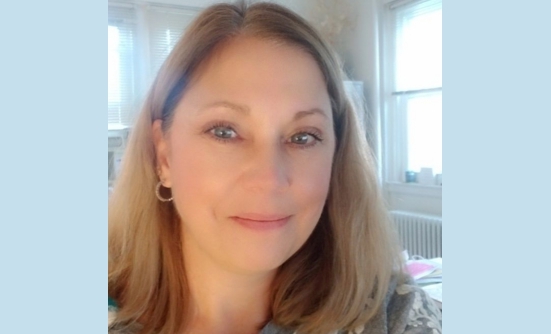
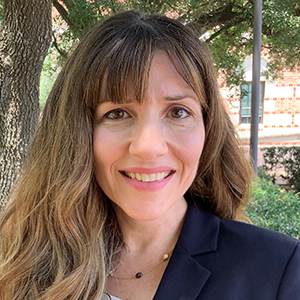
Michelle Anderson-Benjamin faced an initial diagnosis of stage 1 triple-negative breast cancer at the age of 36; her cancer returned 2 years later and is now stage 4. “I felt powerless when I had to tell my kids that my cancer came back and was now stage 4,” Michelle said. “Seeing the fear in their eyes, knowing that we just went through the stage 1 journey and celebrated what we thought was our past, we were now back in the fight, and it will require everything in me to stay alive.”
While MBC is treatable, it is generally considered incurable, though there are some who have lived for several years with this diagnosis. About one-third of women diagnosed with MBC in the United States live at least 5 years after their diagnosis, and some women may live 10 years or more.1 Right now, it is estimated that more than 168,000 women in the United States are living with MBC. Men can also be diagnosed with MBC. This year alone, MBC will be responsible for most of the nearly 43,000 breast cancer deaths in the United States.2
While these numbers are staggering, we know they are more than numbers—they represent people. People living with MBC are unique individuals, each of them with different families, friends, and experiences. Every day, they face difficult decisions and challenges about treatment and the management of their disease. They continually seek the most up-to-date information about new treatments and how to have the best possible quality of life.
Beyond the scope of clinical care, people with MBC seek community with others with similar lived experiences who understand the challenges of a disease that can’t be cured. People with MBC have different social, personal, and quality- of-life struggles than those with early-stage breast cancers, and they often feel isolated and left out of the larger breast cancer conversation.
For those living with MBC, a community that understands these struggles can be a powerful support network and a place to share personal life experiences and concerns with others.
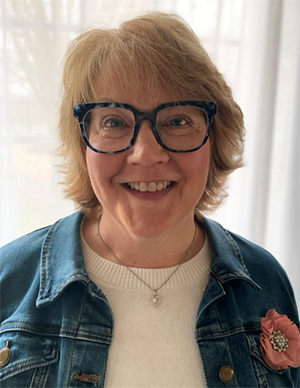
“No one meant to abandon me, and that wasn’t the reality of my situation, but it was up to me to break out of my isolation and connect with others with MBC.”
—Cyndi Johnson, Susan G. Komen MBC Steering Committee member
Addressing Unmet Needs
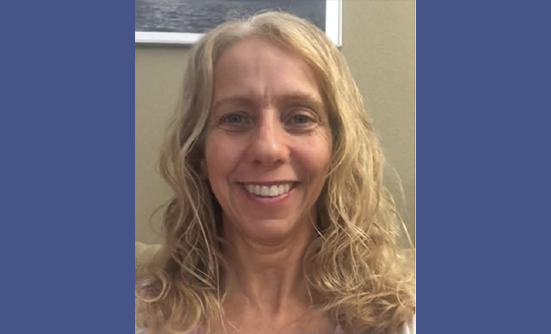
Cyndi Johnson lives in a small town, where she was the only person living with MBC. When she could not find MBC-specific resources or local support, she felt truly alone. When Cyndi got an opportunity to join Komen’s MBC Steering Committee, she was excited to finally have a chance to learn more and meet others with MBC.
“I needed to take control of my reaction,” Cyndi says. “I dove into support groups, research; I planned social gatherings, started volunteering, and I focused on my health and family.” This made all the difference for Cyndi, and it was even more meaningful when she could connect with others who also felt like they were the only ones.
“MBC is such an isolating diagnosis,” says Kasey Volpe, manager of MBC initiatives at Susan G. Komen. “Patients talk about how even their own families struggle to understand, and sometimes the only person who really gets it is someone who is also living with MBC.”
Komen recognizes that people living with MBC have unique needs in the breast cancer community, including coping with an illness for the rest of their lives, feeling more empowered to make informed decisions for longer terms of treatment, and having access to more MBC-specific educational materials. Above all, people with MBC need a supportive community where they can find a space to thrive. To address these needs, Komen developed the Metastatic Breast Cancer Impact Series (MBCIS).
Through the MBCIS, attendees can participate in monthly virtual sessions with leading scientific experts, listen to the stories of other speakers who are living with MBC, and gather helpful information from wellness experts. Upcoming sessions will include topics such as advances in MBC treatment, research and clinical trials, critical research findings from the American Society of Clinical Oncology and the San Antonio Breast Cancer Symposium, health equity, updates on public policy and advocacy, quality of life and palliative care, end-of-life planning, and sexual health. For those who cannot join in during these live online sessions, Komen offers on-demand videos of past events on the MBCIS YouTube page.
MBCIS programming comes from the direction of Komen’s MBC Steering Committee, who advise Komen on the unique needs and experiences of the MBC community and ensure diverse voices and perspectives are integrated across Komen’s programs and initiatives.
In the past fiscal year, the MBCIS reached over 13,000 individuals through live attendance, newsletters, and YouTube views. The series also delivered about 31,000 MBC newsletters, and these numbers are only growing each year. The program has already seen exponential growth in event registration year over year. The series also provides a monthly curated MBC newsletter to nearly 4,000 MBC patients, caregivers, and others.
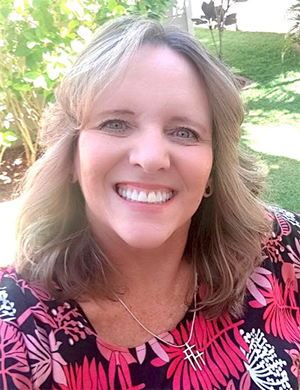
“Hope has helped me to maintain emotional strength, even during the most challenging times.”
—Julia Hughes, Susan G. Komen MBC Steering Committee member
Providing A Lifeline To Hope
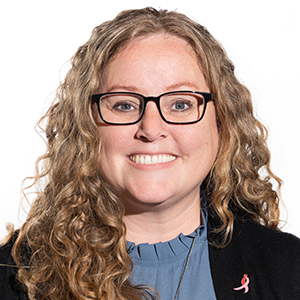
People with MBC can find comfort and hope in knowing that there is a supportive community of individuals who can relate to their experiences. Julia Hughes has found her strength as a passionate advocate and voice for the greater MBC community. “Since I was originally given 6 months to live, back in June 2015, reaching countless personal milestones, small and large, has given me immense joy resulting in optimism and hope,” Julia says. “I feel especially hopeful and optimistic when I’m helping others, especially in furthering the efforts of MBC awareness, equity, and fundraising.”
The MBCIS offers a safe space for people to build friendships and find many opportunities for comfort and companionship. By connecting with others who are resilient in the face of their own diagnoses, individuals can learn to find hope and emotional strength as they navigate a difficult landscape.
The MBCIS recently premiered a short video called “Inside the Emotions of Living with Metastatic Breast Cancer,” which features 6 women sharing their thoughts and feelings about the many complex emotions they experience while living with MBC. The featured emotions include feeling powerless, isolated, overwhelmed, optimistic, peaceful, and powerful. Komen’s MBC Steering Committee, who are all women living with metastatic disease, felt strongly that this video was something they wanted to share with the MBC community, and they hope viewers will find familiarity in these emotions and feel empowered by the discussion of them.
“Hearing someone express a similar emotion you have experienced provides a level of validation that is so crucial to mental health while living with this disease,” Kasey says. “This video will hopefully provide that validation for someone who feels alone, showing them that there are a wide range of emotions when dealing with this disease, and all emotions are OK.”
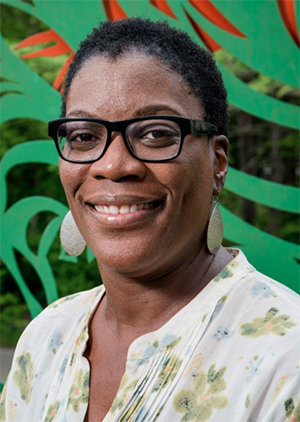
“Your diagnosis does not define you. Embrace this journey, and let it shape you into the powerful force you are.”
—Phyllis Esposito, Susan G. Komen MBC Steering Committee member
Empowering Patients With Trusted Information
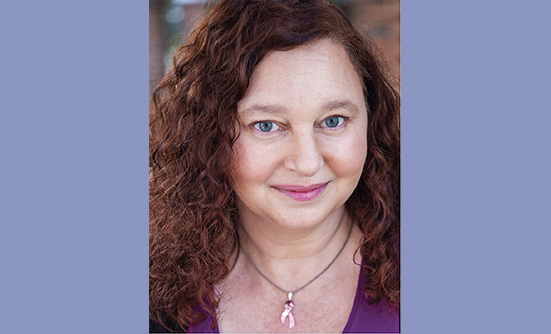
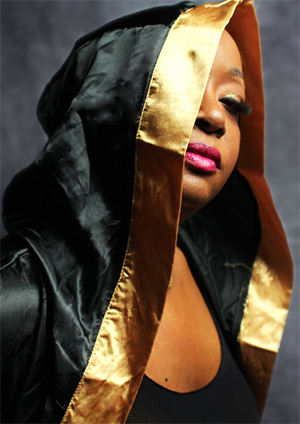
Phyllis Esposito was first diagnosed with stage 2A bilateral breast cancer in June 2020. After intensive treatment, including chemotherapy, surgery, radiation, and hormone therapy, she showed no signs of cancer. As a Black woman, Phyllis chose to participate in a clinical trial during her breast cancer treatment to highlight the importance of such studies and advocate for her community. Unfortunately, despite her treatment and careful follow-up, Phyllis was diagnosed with MBC in November 2023.
Today, as she continues her treatment, she champions representation and equity in healthcare while serving as an educational leader who raises awareness about diversity and inclusion in her community. “One of my most empowering moments was participating as a woman of color in a clinical study,” she says. “Sharing my vulnerabilities and strengths seemed to resonate with others, reminding me that my voice matters, and I can make a difference.”
While people living with MBC experience inequities in incidence, diagnosis, and treatment outcomes, these are even further compounded for those in communities that are remote or under-resourced. This is why Phyllis felt it was important as a woman of color to participate in clinical trials. People living with MBC need more information and better access to clinical trials. The MBCIS addresses these needs by meeting people with MBC where they are.
The series also provides participants access to safe, accurate, evidence-based information and educational resources about MBC, including Komen’s About Breast Cancer online pages. Through this trusted and up-to-date content, people can better understand vital information about different treatments and managing their potential side effects, as well as other quality-of-life issues like emotional health and support.
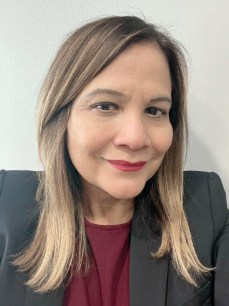
“You are not alone. Share your story and know that others are going through similar struggles. Together, we can support and uplift each other.”
—Mayra Rivera, Susan G. Komen MBC Steering Committee member
With guidance from the MBCIS, participants can also learn more about the resources available through Komen’s Patient Care Center, including culturally responsive patient navigators, financial assistance, information about clinical trials and more. Equipped with these tools, participants are empowered to actively participate in their treatment decisions and have conversations with their doctor rather than feeling passive or uncertain about the road ahead.
“Many attendees have reported they learned more in 1 session with us than in all of their doctor appointments,” Kasey says. “Most leave stating that they now feel empowered to question their provider, where they were previously intimidated or didn’t know what to ask.”
A Thriving Community
Through the MBCIS and with unwavering support from Komen, people living with MBC have a deeply rooted community that helps them get the emotional support they need, access critical information, overcome barriers to care, and help others. As members of this community like Phyllis have learned, the future holds much opportunity and promise.
“To others with MBC, I encourage you to find your own sources of power. Embrace vulnerability, connect with others, advocate for your needs, and, most importantly, dare to live your vision,” Phyllis says.
For more information about the MBCIS and to sign up to be notified of upcoming episodes and events, visit komen.org/mbcseries.
About the Authors
Jennifer Flores, MS, is a technical writer for Mission Education, and Krissa Smith, PhD, is vice president of education at Susan G. Komen.
References
- National Institutes of Health (NIH). NIH MedlinePlus Magazine. Quick facts on metastatic breast cancer. Accessed January 11, 2025. https://magazine.medlineplus.gov/article/quick-facts-on-metastatic-breast-cancer#:~:text=Metastatic%20breast%20cancer%20starts%20in,severe%20form%20of%20the%20disease
- American Cancer Society. Breast cancer facts and figures 2024-2025. Accessed October 21, 2024. www.cancer.org/content/dam/cancer-org/research/cancer-facts-and-statistics/breast-cancer-facts-and-figures/2024/breast-cancer-facts-and-figures-2024.pdf