



All Articles
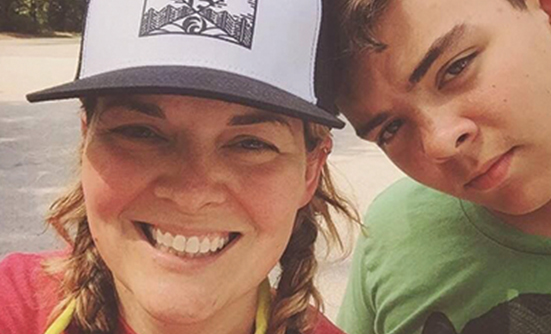
By Erika Brooks
For Erika Brooks, it took some time to adjust to what it means to have an incurable cancer. She says, “at first, I kept thinking it was a death sentence.” Eventually, she came to see her cancer in a different light. Read More ›
In June 2019, the FDA approved a new type of immunotherapy called Polivy, for use in combination with other drugs, in patients with previously treated diffuse large B-cell lymphoma (DLBCL), offering new options for patients whose cancer has returned. Read More ›
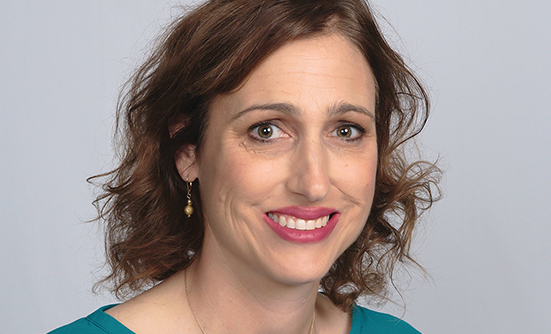
Laura Greco, a mother of 4, was shocked when a CT scan done after a car accident revealed that she had stage III non–small-cell lung cancer with ALK mutation. Now she works as a patient advocate to fight the stigma linked to lung cancer, which often results in late diagnosis and worse outcomes. Read More ›
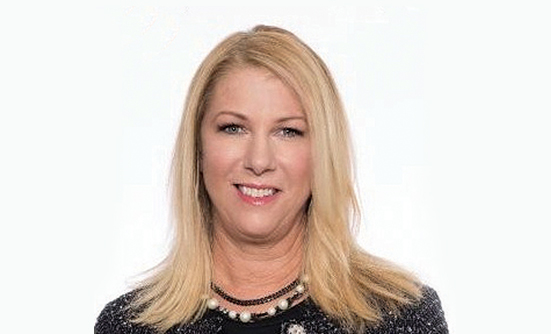
Kathy Gram faced colorectal cancer with a positive attitude, good humor, and support from family and close friends. When her disease was in remission, she shared her hard-won wisdom with others as a Patient Advocate. She reflected on the lessons she had learned as a 12-year cancer survivor. Read More ›
By Dana Taylor
A new study makes clear that limited access to health insurance or insufficient insurance coverage accounts for much of the disparity in outcomes seen between black and white patients with cancer in the United States. Read More ›

Michael Pascoe and his wife were about to embark on a fresh start in 2014 when he learned he had multiple myeloma—an incurable blood cancer. Soon, the stress and overwhelming medical bills mounted. As the couple struggled to remain positive, they then learned that his wife had cancer, too. Read More ›