
In 2014, life felt complete. I was checking all the boxes of my personal and professional dreams—an Emmy-winning journalist, a network news anchor, a medical reporter, and most importantly, a wife, and mother to a thriving 20-month-old son. Then, in an instant, I went from telling other people’s stories to becoming the story with a diagnosis of acute myeloid leukemia.
“How? How could this happen to me?” I asked myself over and over. I was the clean-eating, green-drinking, yoga-loving health advocate who told others how to live healthier lives. Just 2 months earlier, an oncologist at a community cancer center dismissed my extreme exhaustion, telling me I was tired, overworked, and a new mom trying to have it all.
I had no idea just how mentally and emotionally taxing this blood cancer diagnosis would be for me and my family. I would later learn the gravity of these “invisible” aspects of a cancer diagnosis.
I had no idea just how mentally and emotionally taxing this blood cancer diagnosis would be for me and my family. I would later learn the gravity of these “invisible” aspects of a cancer diagnosis through my own experiences and by spreading awareness, such as sharing insights from AbbVie’s Emotional Impact Report, a patient survey that delves into the impacts of a chronic lymphocytic leukemia (CLL) diagnosis across ethnically diverse patient populations.
But at the time of my diagnosis, I needed more answers. Thanks to social media and my professional connections, within 48 hours I received a call from a world-renowned oncologist at Johns Hopkins. His message was clear, “Say goodbye to your son, get on a plane—we have a bed waiting for you. You don’t have time to waste.”
I had to go. I now had access, possibly, to more answers. So, I kissed my son goodbye at the airport, his cries echoing down the jetway, “Mommyyy! Mommyyyyyy!” That moment still rips at my soul. But I boarded that plane with one mission—to survive.
Fighting For My Life—Physically And Mentally
I never imagined the odds I would hear upon arrival: “You have a 1-in-4 chance of survival. If you were German, not Cuban, we would have statistics, but we don’t have enough data on Latinos with your specific mutation.” When I asked about a bone marrow transplant, I learned another devastating truth. The registry at the time was overwhelmingly White, and I might not have a match. My best hope? A year of aggressive treatment.
For the next year—separated from my son—I endured grueling rounds of chemotherapy and full-body radiation that would leave lasting damage on my body. However, what went untreated was the emotional toll. The collateral damage of that fight was devastating. My marriage was reduced to patient and caregiver, and then day after day, the losses piled up:
- My hair
- My strength
- My confidence
- My career
- My financial security
- My connection with my son
- My fellow cancer patients, whom I became friends with, who died one by one
At times, I thought I would die of a broken heart before cancer ever took me.
I was given world-class care for my body. But for my mind? Nothing. It wasn’t even on the radar. There was little acknowledgment of the trauma unfolding except 5 minutes with a social worker asking me what year it was and a few other questions. Without mental health care, my PTSD and depression only deepened going into survivorship.
Illuminating the Mental Health Crisis in Cancer
This is why understanding the emotional impact of cancer is so crucial. Recently, I moderated a panel discussing the emotional journey of CLL across diverse patient populations. The findings of AbbVie’s Emotional Impact Report validated what so many patients already know: minority patients are struggling emotionally but aren’t seeking traditional support. Consider some of the related facts:
- Minority patients experience more negative emotions and have a worse outlook throughout their cancer journey
- Racial minority groups are underutilizing online support groups, with very few reporting using this resource to learn about CLL (19% Hispanic; 23% Asian; and 35% Black)
- 40% of patients in active treatment feel grateful, compared to 73% of those off treatment
- Many patients say their doctor spoke mostly to someone else in the room about their condition rather than addressing them directly
These gaps mean many patients suffer in silence—with no clear support system. But as Dr. Andy Souers, VP of Oncology Discovery Research at AbbVie, put it, “To fix the challenges, you must first illuminate them.”
From Survivor to Advocate—Then Patient Again
Five years later, just as I was rebuilding my life, I heard those words again: “You have cancer.” This time, it was breast cancer. I had already faced one of the deadliest forms of leukemia. I had already fought the battle of my life. And now I had to start over.
How did I go from living my best life to fighting for my life—twice? And more importantly, why was the emotional devastation still ignored? The grief, the isolation, the suicidal thoughts—where was the support for this part of the journey?
From my hospital bed, I started reporting— not just on the physical battle but on the untold and underreported emotional impact of cancer….I have used my voice to push for change.
As a journalist, I knew I had to be part of the solution not just for myself but for every patient and caregiver impacted by cancer. From my hospital bed, I started reporting—not just on the physical battle but on the untold and underreported emotional impact of cancer. On-air, onstage, and in advocacy rooms, I have used my voice to push for change. Because patients deserve more than just survival—we deserve to heal. We deserve to live longer and live better, but we need a better support system to do it. Not just on the day of diagnosis but well into survivorship—as we rebuild our lives physically, emotionally, professionally, and financially.
The Trauma That Lingers—For Everyone
The day I finally left the hospital after a year of treatment, I was ready to run into my son’s arms—but instead, he walked right past me. He did not recognize me. To him, I was a stranger. That moment shattered me in a way no chemotherapy or radiation ever could. This trauma isn’t just my trauma—it is my son’s trauma and my husband’s trauma, too. Cancer isn’t just about the patient—it leaves scars on everyone we love. Yet, my husband wasn’t offered mental health support. My son wasn’t given guidance on how to process a year without his mother. This is why cancer survivorship is more than just numbers. It is about repairing lives, relationships, and identities—something we do not prioritize in cancer care.
This trauma isn’t just my trauma— it is my son’s trauma and my husband’s trauma, too. Cancer isn’t just about the patient—it leaves scars on everyone we love.
A Call to Action
I believe that if we truly want patient-centric care, then mental health support must be a standard part of oncology treatment. We need more mental health screening for cancer patients. We need psychosocial oncology programs in every cancer center. We need insurers to cover mental health services as a necessary part of cancer care. We need doctors to ask about more than just the physical side effects. Most of all, we need to listen to patients.
Survivorship is more than just numbers—it’s about quality of life. Mental health is health. It improves adherence, it improves outcomes. It’s about reclaiming what cancer tried to steal. It’s about ensuring that no patient fights this battle alone. Because when we treat the whole patient, we all win.
Source
- CLL Emotional Impact Report Press Kit. News release. AbbVie. Accessed June 23, 2025. https://news.abbvie.com/CLL-Emotional-Impact-Report-Press-Kit
About the Author
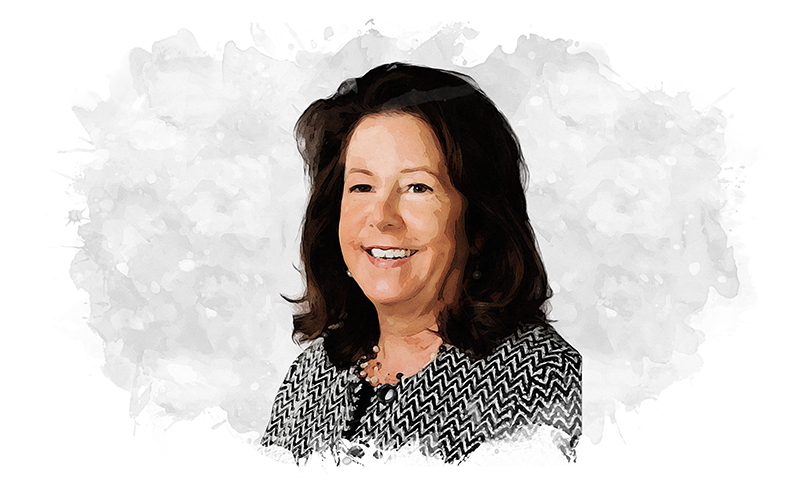
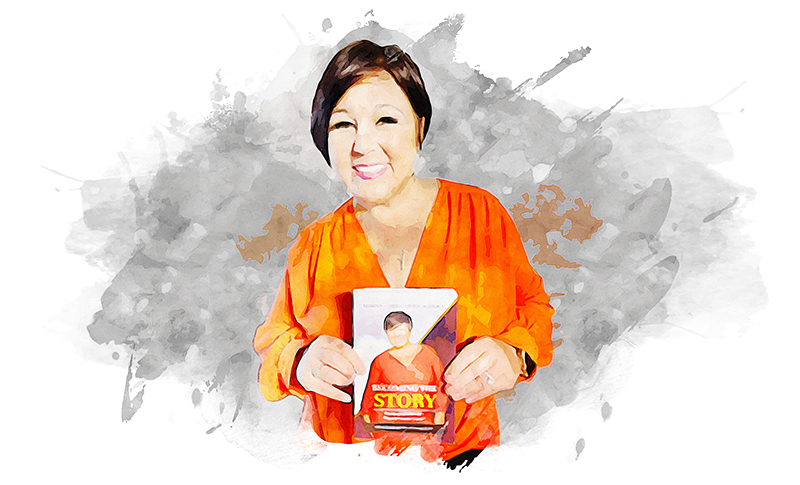
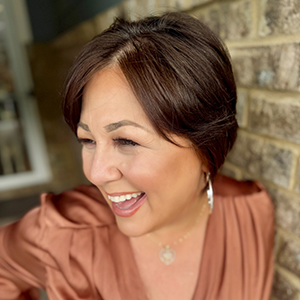
Loriana Hernández-Aldama is an Emmy Award–winning journalist, international speaker, and 2x cancer survivor. As the founder of the ArmorUp for Life Foundation, she is a global advocate dedicated to educating and empowering patients, particularly those in underserved communities. Loriana is also a passionate advocate for psycho-oncology and mental health for cancer patients, drawing from her personal experiences with cancer-related PTSD and depression. Her nearly fatal battle with acute myeloid leukemia and subsequent breast cancer has fueled her mission to drive change, improve patient outcomes, and inspire others through her powerful storytelling and advocacy work.
The ESSAY column in Conquer is devoted to lifting the voices of people touched by cancer.
Read more essays or submit yours.