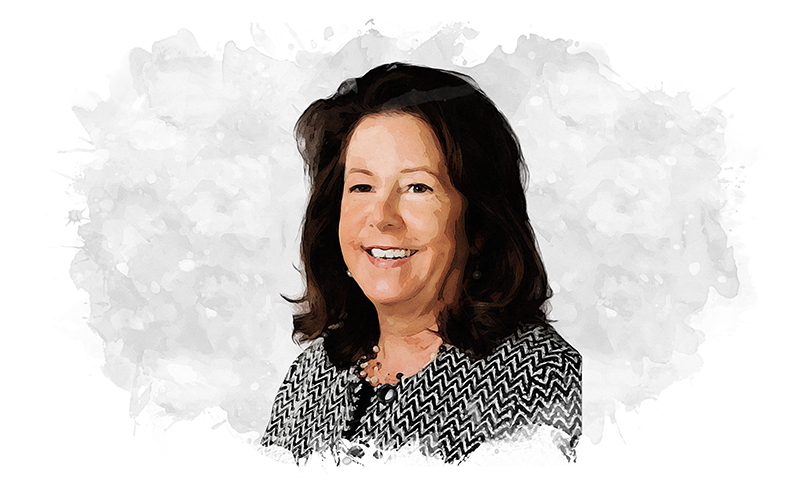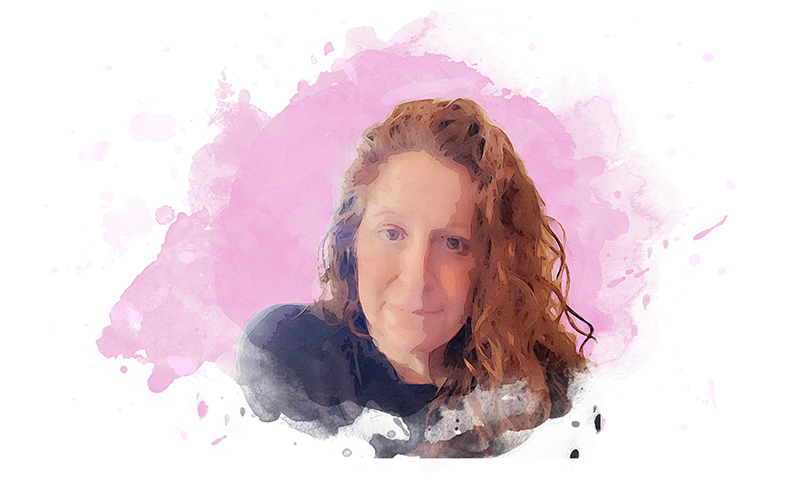

Cancer is a traumatic experience, whether it’s early stage or advanced stage. Beyond the physical impacts, it can create emotional and mental health challenges that often go unaddressed. How do I know? I am a two-time cancer survivor.
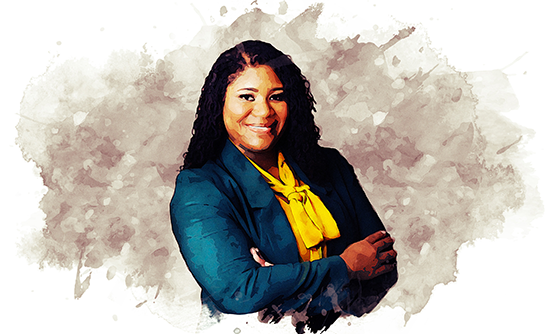
I am not the typical face of cancer or someone who has experienced mental health challenges. I am a medical professional with a doctorate degree in physical therapy. I am well accomplished and have received several accolades and honors in my career as a physical therapist specializing in lymphedema treatment and cancer rehabilitation. I am a published author, a speaker, and an independent, goal-driven woman. People look at me and say, “Oh she’s got it together!”
Cancer had other plans for me, though.
I have always been so strong in my life—putting on my “superwoman cape” to help others before I help myself. This is a common concept for many Black women who feel pressure to take care of everyone first before themselves and avoid sharing what they are going through because they don’t want to be a burden. With cancer, it was different. It sent me into a mental health spiral.
In the 5 years since I was first diagnosed, I can fortunately say I have realized how important it is to be open about your cancer survivorship journey. It has not only been healing for me, but it has also enabled me to empower other cancer survivors to focus on their mental health. That’s why I have decided to share my story—including the challenges I faced and my participation in programs like Survivorship Today, an online initiative by Bristol Myers Squibb that aims to help advance our collective understanding of what it’s like to live with cancer today—believing that others can relate to my experience and feel a sense of connection and hope.
Coming To Terms With My Diagnosis
It all began when I was diagnosed with stage 0 breast cancer on December 31, 2019, at the age of 38. Receiving devastating news right before the start of the new year is a memory that will forever be etched in my mind. I remember having a complete emotional breakdown in the middle of my living room floor as I attempted to take down my Christmas tree on the day after my diagnosis.
As a physical therapist, I work with cancer survivors on a daily basis. I regularly encounter patients who have had extensive treatments. They are often anxious and afraid, and they can be experiencing financial hardship or physical disabilities. Most of all, they are experiencing emotional distress.
Having early-stage breast cancer, I knew I was very fortunate that I only had to undergo surgery and hormone therapy for treatment. Yet, I still wasn’t prepared for the impact cancer would have on me.
Survivorship Today
Bristol Myers Squibb created a website (www.SurvivorshipToday.com) that promotes sharing of stories to enhance one’s understanding of what it’s like to live with cancer today.
The website includes: Voices of Survivorship where people engaged in the cancer journey share their experiences.
Survivorship Today x Black Health Matters shares realities of living with cancer as a Black woman.
Resources includes a connection to AuntBertha.com that provides a means to look for types of support in the United States.
Share Your Story allows patients and caregivers to pass on their learned experiences to others. The stories are also found on YouTube.
The Mental and Emotional Burden of Cancer
My medical team assumed that because I was one of their peers, I must have had everything under control. I didn’t. I was far from having it under control.
I had bouts of depression when I would stay in bed, avoiding phone calls from bill collectors who wanted payments for the medical expenses I incurred.
My mind was spinning with the thoughts of being a young single woman facing recovery and this life-changing event alone. I considered myself to be “damaged goods.” Who would ever want to date me knowing that I had cancer or want to deal with the possibility of a recurrence? Who would want to look at my scars?
Although I consider myself to be a cheerleader for my patients, there are days when I am also severely affected by the emotions of my patients, and it weighs heavily on my own survivorship journey. I have to dig deep to set boundaries and not let their pain affect me—or for me to project my pain and PTSD onto them. Survivor’s guilt is real!
This is still not an easy feat for me, and I needed help to master this. I am of Christian faith, so I relied heavily on God, family support, and prayer to get through these emotions. I also came to the realization that God gives mental health professionals the knowledge and skills to help, and so I sought counseling for myself.
I finally realized that it was okay to not be okay. I am not a weak woman for getting help to make sure I was processing my negative thoughts and emotions in a healthy way. I took initiative and control of my health, and I finally felt like things were starting to look up.
A Second Diagnosis
Four years later, just when I thought I was in a better place mentally and emotionally, I was blindsided again. Due to having abnormal menstrual cycles, thickening of my uterine lining, and repeated growth of uterine polyps, my doctor had recommended I stop taking the estrogen blocker I was placed on to prevent breast cancer, as it is known to have a small chance of increasing the risk of uterine cancer. I was 42 years old at the time and could not endure the thought of another outpatient procedure to scrape the insides of my uterus out, so I opted to have a total hysterectomy. My OBGYN said “Are you sure? You don’t have any children. Do you not want to freeze your eggs first?” I said, “No, I want to be rid of this uterus.”
I was over it. I was done. At that point, my health was more important.
On December 28, 2023, I received a call from my doctor that the final pathology report from my hysterectomy revealed that I had stage 1 endometrial cancer. I was in shock because all of the pelvic ultrasounds, biopsies, and pathology reports from previous surgeries never showed any cancer or abnormal cells. How could this be?
Here I was again, still single, approaching a new year, trying to recover from surgery so I could return to work. Now I was facing a second cancer diagnosis. Vital parts of my womanhood were under attack again. It was enough to have breast cancer. Now my uterus was gone, and it was out of my control.
Even though I would never get to experience pregnancy and the joy of bearing my own biological children, I knew the path I chose was best for me. I was mentally and emotionally drained. I was tired of being on the strongest soldiers list. It was enough to worry about having constant blood work, mammograms, and oncology visits to stay on top of my breast health, but now I had to worry about having to stay on top of endometrial cancer.
Thankfully, the endometrial cancer was caught very early, and no further treatment was needed; only active surveillance for 5 years through pelvic exams and ultrasounds. Although I was relieved, I still had thoughts of despair and felt “less than” a woman.
Finding Support From Faith and Community
Cancer has taught me to rely on my faith. I sought help from a cancer support group at my church. These were people of faith who looked like me and shared the love of God while taking charge of their mental health. The group gave me solace and comfort. Seeing those in my support group be so open also inspired me to share my story with others, including on SurvivorshipToday.com.
My superwoman cape was heavy, but I am glad to shed its burden…so that I can continue to pour positivity and light into my patients and other cancer survivors.
Being a two-time cancer survivor has caused me to hang my superwoman cape in the very back of my closet. Yet, I am more confident than ever that I am not weak, but I am strong. I am vulnerable, but not broken. I have moments of “scanxiety” and sadness, yet I still have joy that I am alive. Although my physical and mental health were attacked, I still have purpose. I am a voice for those who cannot speak up and advocate for mental health support through their survivorship journey.
My superwoman cape was heavy, but I am glad to shed its burden and seek the help that I need so that I can continue to pour positivity and light into my patients and other cancer survivors who so desperately need it!
The ESSAY column in Conquer is devoted to lifting the voices of people touched by cancer.
Read more essays or submit yours.